


Water filtration,
decoded.
Discover how different filtration technologies affect taste, purity, minerals and everyday hydration - from simple filter jugs to advanced UV purification and Maze™ filtration.
UK tap water is safe.
So why do so many people filter it?
Most people start looking for filtered water wanting the same things - better tasting water, better quality, and something that just works without becoming another thing to think about. But what starts as a simple decision can quickly feel overwhelming, with plenty of options all claiming to be exactly what you need. So how do you know which water filtration system is actually right for your home?
We've done the homework, so you don't have to.
The honest guide to water filters.
What each type does, what it doesn't do and which one probably makes sense for your home.

Maze™ + UV purification
Patented, independently certified and exclusive to Our Taap, Maze + UV purification removes contaminants across every category while retaining natural minerals to improve taste.
Read more
Reverse osmosis
Reverse osmosis offers the highest level of contaminant removal available in a home water filter system - but pure doesn't always mean better tasting.
Read more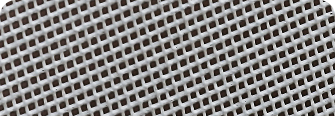
Gravity fed
Gravity fed carbon filters are a staple of home water filtration in the UK. The filter jug in the fridge is the one you've probably come across.
Read more
Carbon filters
Carbon filtration is the most widely used water filtration technology in the world - and the foundation of most home filter systems, including filter jugs, undersink units and countertop dispensers.
Read more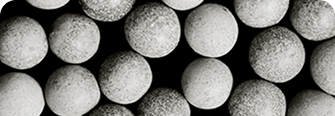
Ceramic filters
Ceramic filters have been used to clean water for centuries - and in many parts of the world, they remain an essential part of daily life.
Read more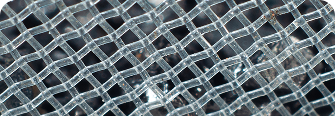
Tap filters
Tap filters - sometimes called boiling water taps or multi-temperature taps - are plumbed directly into the mains and typically include an undersink tank and filtration unit.
Read more
UV Purification
UV purification is the one form of water treatment that does something no filter can: it kills things, such as bacteria, rather than catching them.
Read more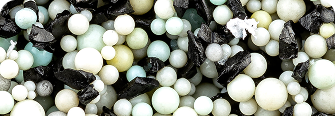
Jug filters
The filter jug is probably the most common piece of water filtration equipment in the UK. Brita is the most recognisable that's been a household name for decades.
Read moreThe filter question, finally answered.
Most comparisons tell you what filters have. This one tells you what they actually do - and just as usefully, what they don't. The rest is up to you.
Maze™ + UV
Carbon Filter
Carbon Filter
Filter
Filter
(e.g. Quooker)
Purification
Osmosis
Maze™ + UV
Carbon Filter
Carbon Filter
Filter
Filter
(e.g. Quooker)
Purification
Osmosis
Maze™ + UV
Carbon Filter
Carbon Filter
Filter
Filter
(e.g. Quooker)
Purification
Osmosis
& Particles
Maze™ + UV
Carbon Filter
Carbon Filter
Filter
Filter
(e.g. Quooker)
Purification
Osmosis
(e.g. E.coli)
(e.g. Giardia)
(e.g. Cryptosporidium)
Maze™ + UV
Carbon Filter
Carbon Filter
Filter
Filter
(e.g. Quooker)
Purification
Osmosis
(Retained)
Maze™ + UV
Carbon Filter
Carbon Filter
Filter
Filter
(e.g. Quooker)
Purification
Osmosis
No Refilling Needed
Change Alerts
for taste
(no wastage)
Meet our experts.
At Our Taap, we know water. Really well. Our water taste, filtration and health experts exist to cut through the noise - so you can feel clear and confident about what you're drinking.

Dr Bill Simpson is a water quality and taste specialist at Cara Technology, one of the UK's leading sensory and beverage analysis consultancies. He has spent years understanding how water composition, treatment and filtration affect flavour - and why the same glass of water can taste completely different depending on where it comes from. His expertise sits at the practical end of water science: what people actually taste, why they taste it, and what can genuinely be done about it.
Read more
Genevieve Upton has spent her career in the beverage industry, specialising in water filtration, flavour development and how the two connect. She understands, in practical terms, how filtration technology, water composition and mineral balance affect the way water tastes - and why that matters more than most people realise. Her work covers filtration technology and safety and impact on real drinking experience: not just what's in the water, but what you actually notice in the glass.
Read more
Dr Rupy Aujla is a GMC-registered doctor, nutritionist, and founder of The Doctor's Kitchen. Trained at Imperial College London, holding a Masters in Nutritional Medicine, he’s the author of five Sunday Times bestselling cookbooks and has spent his career explaining the connection between what we eat, drink, and how we actually feel - not in a vague wellness way, but in a clinical, evidence-based one.
Read more

