


Blog
Is UK tap water safe to drink?
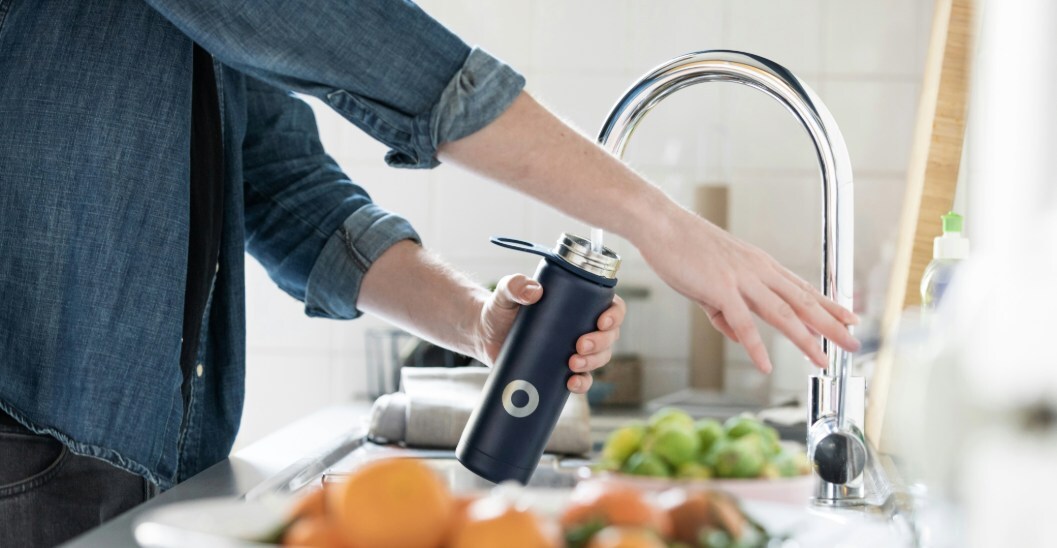
UK tap water is probably as safe to drink as it's ever been.
Given the remarkable progress in science and technology that’s been made since the start of the industrial revolution more than 250 years ago, that might sound like an attempt to damn current UK tap water supplies with faint praise. But, perhaps somewhat surprisingly, tap water has only been genuinely safe to drink in many parts of Britain for a relatively short time.
Historically, dwellings, hamlets and villages relied on private water supplies for drinking water. Often, sources of water deep underground were accessed with a bucket and a well. Ensuring that such wells didn’t become contaminated with dead animals, faeces, or other ‘foreign matter’ was critical to the health of the people who relied on them.
As people moved from the countryside to towns and cities, reliance on underground sources of water, and ensuring they remained uncontaminated was not so easy. Cities need a plentiful supply of water, as well as efficient ways of getting rid of sewage without it coming in contact with drinking water. Many struggled to get this right. Outbreaks of cholera, typhoid fever and other water-borne diseases became a regular occurrence in growing urban environments. Great feats of engineering brought water from lakes and reservoirs in the countryside into the cities, supplementing the river water which had led to the first settlements in those places. But sewage often ended up in those same rivers, contaminating the water supplies that many had learned to rely upon.
The big turning point in the safety of public water supplies was the introduction of chlorine. To begin with, chlorine was added to public water supplies in some cities during active epidemics of cholera, typhoid fever, or dysentery in an attempt to reduce the number of people dying from those water-borne diseases. Later, chlorine was added to water to prevent disease, rather than just reduce the reach and impact of an epidemic.
The core idea of using chlorine came from the pioneering work of John Snow, a London physician. In 1854, he mapped cases of cholera in Soho and concluded that the disease was spread by contaminated water. He believed the source of contaminated water to be a single well located in Broad Street (now known as Broadwick Street). He was proved right when the handle of the well was removed, forcing people to use other sources of water which did not cause disease.
A paper published in 1894 formally proposed the idea of adding chlorine to water to prevent disease outbreaks. Maidstone in Kent was one of the first towns in the UK to add chlorine to its public water supply in an attempt to control an outbreak of typhoid fever. Lincoln was the first UK city to chlorinate its water supply as a way of preventing disease. Other towns and cities soon followed. Not just in Britain, but throughout the world.
Prior to the introduction of water chlorination, most people born in the UK had a pretty good chance of getting very sick from drinking water at some point in their lifetime. Many people lost their lives prematurely because of drinking contaminated water. It's easy to take clean water for granted. But it's worth remembering that clean, safe water is a fairly recent achievement, not a given.
How safe is UK tap water in 2026?
Today, we've pretty much eliminated the chance of getting sick from drinking tap water in this country. The UK Drinking Water Inspectorate has stated that “It is extremely rare for drinking water to cause illness in England and Wales.” The situation in Scotland and Northern Ireland is likely similar. A reasonable guestimate would be that you've got much less than a one in a million chance of ever contracting a life-threatening illness from tap water.
Unfortunately, the same can’t be said for private borehole water supplies, which are much more prone to contamination with animal faeces and other hazardous pollutants and are tested less frequently and less extensively than public water supplies.
Freedom from water-borne disease isn't quite reveal the whole picture. It's worth being honest about the layer underneath that headline number.
Are there any long-term risks associated with UK tap water?
There are things you'll find in water that affect your life expectancy in a way that's different from your chance of it making you sick. A slight increase in the risk of some cancers. A slight increase in various other diseases you might be susceptible to over a lifetime.
Some of the substances you can find in drinking water at low level which can very slowly impact consumer health include disinfection by products such as trihalomethanes (usually abbreviated to the less daunting ‘THMs’), arsenic, and - in a few areas of the UK, if you’re relying on a private borehole for your water - the radioactive gas radon.
This may sound a bit alarming. But ‘slow’ diseases from tap water consumption have to be placed in context. These are like many other lifestyle factors. The air you breathe if you live in a city. Your chance of being in an accident if you're driving on the motorway. We live with small, manageable risks like this all the time, in all sorts of places - water is simply one of them, not a special case.
Is UK tap water safe to drink? The verdict
Absolutely.
Chlorination of our water supply just over a century ago was a game changer. It’s saved countless lives, and will continue to do so for many years to come. The remaining considerations are the kind of small-print, long-run factors that sit alongside dozens of other everyday risks we don't think twice about.
None of that means there's nothing left to think about when it comes to what comes out of your tap - taste, hardness, and what your water's been through on the way to you are all separate, genuinely interesting questions.
But safety itself? That one's settled.
From the blog
Your water is safe. That's not really the question. The question is why it sometimes smells like a swimming pool - and whether you have to just live with it.
Read more
Most of us turn on the tap without much thought for where the water has come from. But the answer to why your water tastes the way it does almost always comes back to the journey.
Read more
We asked our water taste expert Dr Bill Simpson your burning questions on the common tastes and smells of tap water. And his answers might just surprise you.
Read more

