


Blog
We all know we should drink more water. So why don’t we?
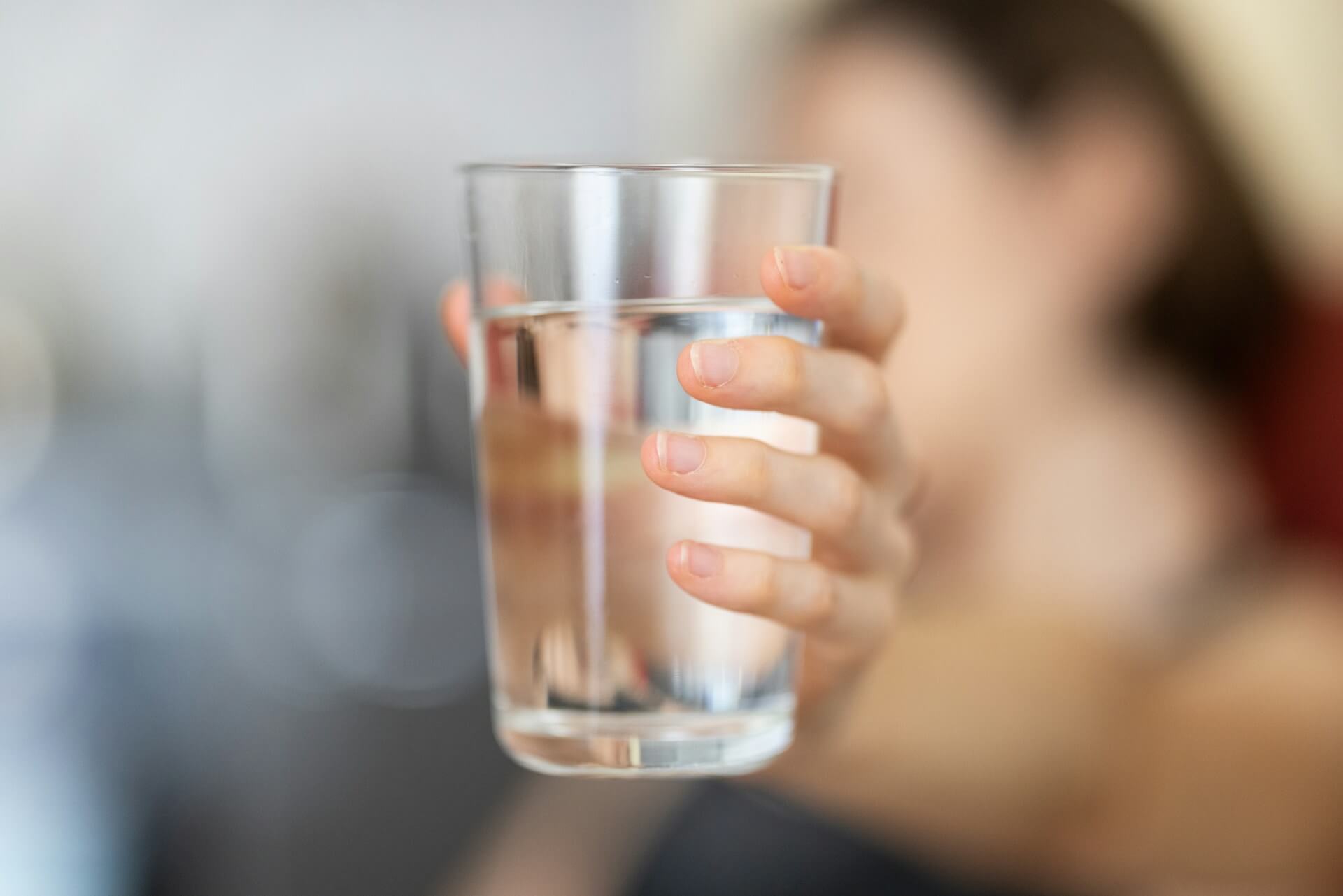
We all know hydration matters, yet many of us still don't drink enough water. So why is there such a gap between what we know and what we do? Turns out, a huge part of it comes down to taste. While drinking enough water is one of the simplest ways to support our health, building good hydration habits isn’t always easy – especially when something as simple as the taste or smell of tap water puts people off reaching for another glass.
Dr Rupy Aujla, GMC-registered doctor, nutritionist and founder of The Doctor's Kitchen, has joined Our Taap as a guest expert for the launch of The Water Confidence Index, sharing his insight into the reasons behind this inaction gap. As someone passionate about helping people build healthier habits, Dr Rupy explains why hydration deserves far more attention, how it impacts the way we feel every day, and why making water more enjoyable to drink can make all the difference.
We asked Dr Rupy why this "knowledge versus action" gap exists, how hydration affects the way we feel every day, and why making water more enjoyable to drink can help people build healthier habits.
How can even mild dehydration affect how we feel day to day?
Even mild dehydration, as little as 1-2% of body weight, can meaningfully impair concentration, mood and physical performance. Most people don't feel thirsty until they're already there. So a lot of the afternoon slumps, headaches and brain fog people experience are actually hydration issues in disguise. Water is involved in almost every physiological process, from regulating body temperature and transporting nutrients to supporting kidney function and cognitive performance. It's foundational. You can eat the most nutrient-dense diet in the world and still underperform if you’re under-hydrated.
What are the signs of mild dehydration people commonly miss?
Headaches are a big one. Also fatigue, difficulty concentrating, and irritability. People often reach for caffeine or food when what they actually need is water. Dark urine is the most reliable, easy indicator most people ignore. When you're well hydrated, your cells function optimally, nutrients move efficiently, waste products are cleared, joints are lubricated, and your brain has the fluid environment it needs to fire properly. When you're dehydrated, all of that starts to slow down. Your blood becomes more viscous, kidney workload increases, and cognitive function drops noticeably.
Is the “eight glasses a day” rule actually helpful?
It's a decent starting point but it's not the full picture. Your needs vary depending on body size, activity level, climate and diet. People who eat a lot of fruit and vegetables, for instance, get a meaningful amount of water through food. I'd focus less on counting glasses and more on the colour of your urine. Light straw coloured yellow is what you're aiming for, I discussed this on an episode of the Doctor’s Kitchen podcast with 2 urology consultant colleagues of mine.
How much does taste affect whether we drink enough water?
Enormously, and I think it's underappreciated. If water doesn't taste good, people simply drink less of it, or they reach for something else. Taste is a real, practical barrier to hydration. When staying hydrated already requires conscious effort, even small barriers can make it harder for people to drink enough water throughout the day.
How do smell and taste influence our confidence in tap water?
Our perception of safety is heavily influenced by our senses, even when those signals aren't accurate. If your water smells of chlorine, your brain flags it as 'off' and that sensory response can shape behaviour. If that sensory barrier is what's stopping someone from drinking enough water, then removing it has a direct knock-on effect on their hydration. For many people, improving the drinking experience is the first step towards building better hydration habits.
Why does tap water taste different depending on where you live?
Mineral content varies significantly depending on geography, hard water areas have higher calcium and magnesium levels, which affects taste. Chlorine is used as a disinfectant which can be detectable to many people. Older pipe infrastructure can also affect taste and appearance, particularly in urban areas. These regional differences help explain why hydration can feel effortless for some people but much more difficult for others.
Why are people becoming more curious about what’s in their tap water?
I think it's part of a broader shift towards wanting to understand what goes into your body, we see it with food labelling, supplement awareness, ingredient scrutiny. People are applying the same lens to water. And with more information available, that curiosity is entirely reasonable. Understanding what’s in your water can also help people feel more confident about drinking it regularly, making it easier to stay hydrated day after day.
What can people do if they don’t enjoy the taste of their tap water?
First, find out what's in your local water, which is even easier using the Our Taap’s Water Confidence Index. Then consider filtering. Chilling water also improves perceived taste for most people. And infusing with cucumber, mint or citrus adds flavour without adding sugar. Solutions like Our Taap provide easy to access, triple-filtered water at the touch of a button – reducing friction and concerns about taste all in one. For people whose primary issue is taste or smell, filtration can make a real difference to how much they enjoy drinking water day to day.
What’s your simplest piece of advice for building a healthier relationship with water?
There’s no single intervention that transforms how you feel, it’s the accumulation of consistent behaviours over time. Drinking enough water a day is one of the simplest, most evidence-backed things you can do. So, make it easy. Keep it visible, make it taste good, and don't overthink it. The best hydration habit is the one you'll actually stick to.
Hydration doesn't have to be complicated. Small improvements to the way water tastes, feels and fits into your day can make a meaningful difference over time. As Dr Rupy explains, the best hydration habit isn't the perfect one – it's the one you'll keep doing every day.
From the blog
UK tap water is safe. So do you need a filter at all? We think the honest answer is more nuanced than most filter brands would have you believe. Here's what filtration actually does - and whether it's worth it for you.
Read more
Buying a water filter is the easy part. What happens after is where things get more interesting.
Read more
We asked our water taste expert Dr Bill Simpson your burning questions on the common tastes and smells of tap water. And his answers might just surprise you.
Read more

