


Blog
Do I actually need a water filter at home?
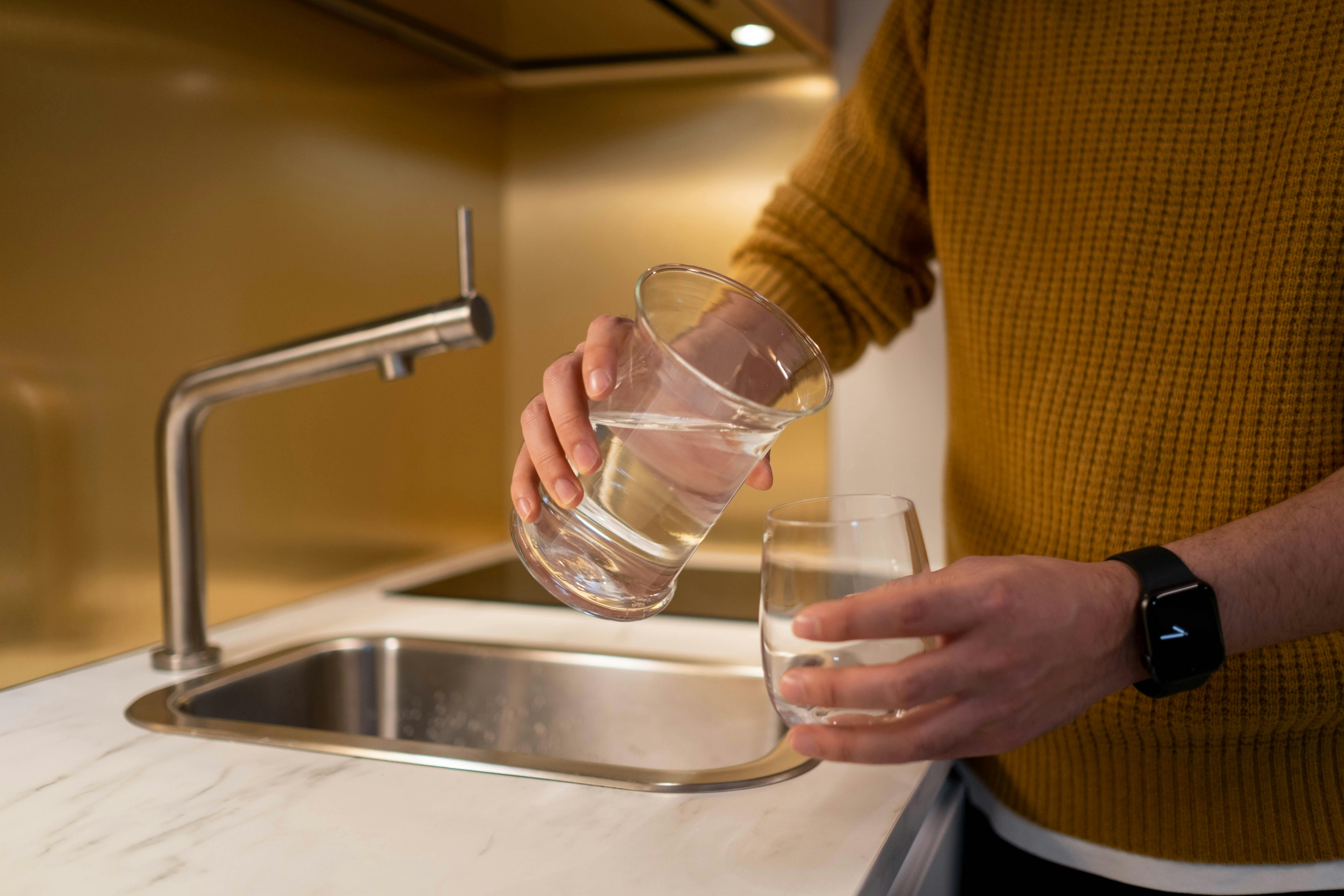
UK tap water is safe. So do you need a filter at all? We think the honest answer is more nuanced than most filter brands would have you believe. Here's what filtration actually does - and whether it's worth it for you.
Do I need to filter my tap water?
This is a question we think deserves a straight answer - which means starting with something you might not expect a water filtration expert or company to say.
UK tap water is safe. Genuinely, reliably safe. It's among the best-regulated in the world, treated and tested to rigorous standards, and monitored continuously by an independent drinking water inspectorate. The idea that you need to filter your tap water for safety reasons is, for most people in the UK, not quite accurate.
So. Do you need a filter? It depends on what you're hoping to get out of it.
What filtration doesn't do (that some brands imply it does)
Filtration isn't detoxification. There's no meaningful sense in which UK tap water is toxic or contaminated in ways that require urgent intervention. The language some parts of the industry reach for - impure, chemical-laden, unsafe - isn't a fair characterisation of what comes out of most British taps.
If you're worried about drinking your tap water, the most useful thing we can tell you is: you don't need to be. The UK water industry has a very good record on safety, and the regulatory oversight is comprehensive.
What filtration genuinely does
Where filtration earns its place is in a different, more honest category: not safety, but quality. And specifically, taste.
By the time water reaches your tap, it's been treated with chlorine - one of the most beneficial public health interventions ever devised, and a significant reason waterborne disease is not a feature of daily life in the UK. Chlorine itself is odourless and tasteless. But when it reacts with organic material in the water and in the pipework it travels through, it produces byproducts - compounds that can taste faintly medicinal, or create a swimming-pool character that some people find noticeable, particularly in warmer months when water companies increase their dosing to compensate for higher bacterial activity.

"Filtered water doesn't taste of anything dramatically different. It tastes of less - less chlorine, less of whatever the pipes contributed, less of the accumulated journey. That absence is the point."
Granular activated carbon filtration - the kind used in filter jugs and in home systems like ours - removes chlorine and its byproducts efficiently.
The result is water that tastes cleaner. Not because it's purer in a meaningful scientific sense, but because the things that were getting in the way of it tasting good have been removed.
What else filtration can address
Earthy or musty notes.
Some water - particularly from surface reservoirs in warm weather - can pick up compounds from algae and bacteria that give it a faintly earthy, damp or beetroot-like character. These compounds are harmless but detectable, and a good carbon filter will reduce them significantly.
The age and material of your pipes.
If you live in an older property, your household plumbing may be copper or even, in very old homes, lead. Your water company guarantees quality at your property boundary, not necessarily at your tap. Filtration provides an additional stage of treatment at the point of use - which matters more in some homes than others.
Trihalomethanes (THMs).
These are disinfection byproducts formed when chlorine reacts with organic material, particularly in surface water areas. UK water companies are required to keep them within safe limits, and most do. But some areas - particularly those relying on surface water with high organic content - can sit towards the upper range of acceptable levels. Carbon filtration removes THMs effectively, at least when the filter is well maintained and changed on schedule.
The filter jug caveat
It’s important to mention here that filter jugs, one of the most popular at home water filters - work up to a point. The issue is that an unmaintained jug filter - one left in a warm spot, past its replacement date, with the cartridge quietly colonised by the bacteria that the chlorine it removed was keeping in check - is in this case, probably doing you more harm than good. Several studies have found that poorly maintained jug filters can actually add compounds to water rather than remove them. The filter removes the chlorine that was preventing bacterial growth, then provides a warm, nutrient-rich environment for bacteria to thrive.
"The filter change is the part people are most likely to skip and most likely to regret. A saturated carbon filter isn't neutral - it can harbour bacteria and release compounds back into the water. Staying on schedule isn't optional."
This isn't a reason to avoid filtration. It's a reason to take maintenance seriously, or to use a system - like a plumbed-in home water system - that's designed with filter life monitoring and scheduled servicing built in.
So: do you need one?
If your water tastes fine and you're not particularly bothered, then probably not. Safe water that you're happy drinking is already a good outcome.
But if you find yourself defaulting to bottled water because you don't love what comes out of the tap - or if you've moved somewhere new and the water tastes noticeably different from what you're used to - then water filtration is a sensible, cost-effective response. Not because your tap water is dangerous, but because better-tasting water at home is a straightforward improvement to daily life.
From the blog
Hard water affects over 60% of UK homes - but which areas are worst affected, and what can you actually do about it?
Read more
Buying a water filter is the easy part. What happens after is where things get more interesting.
Read more
We asked our water taste expert Dr Bill Simpson your burning questions on the common tastes and smells of tap water. And his answers might just surprise you.
Read more

