


Blog
Hard Water in the UK: What It Is, Where You'll Find It, and How to Fix It
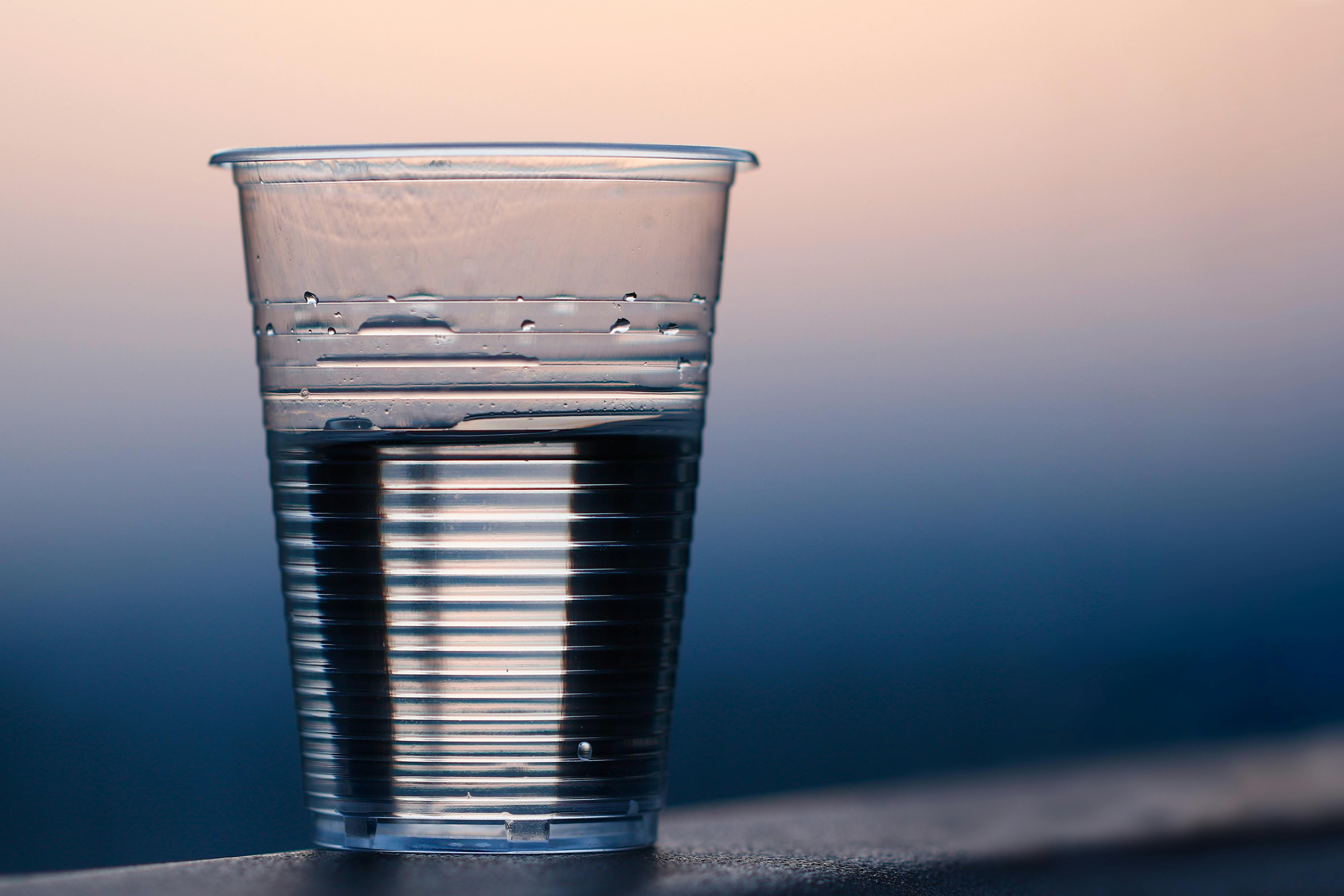
Hard water affects over 60% of UK homes - but which areas are worst affected, and what can you actually do about it?
Hard water is one of those things you either live with daily or barely think about, depending almost entirely on where you happen to live. The difference comes down to geology - and once you understand that, everything else makes a lot more sense.
What is hard water and what causes it?
Water picks up minerals as it moves through rock. In areas where the underlying geology is chalk or limestone, the water absorbs calcium and magnesium bicarbonates as it filters through, arriving at your tap carrying those minerals with it. That's hard water.
Soft water comes from areas where the geology is granite or sandstone - materials that don't dissolve readily into water, leaving it much lighter in dissolved solids.
Which UK areas have the hardest water?
The UK splits fairly clearly along geological lines.
Very hard water - London and the southeast, East Anglia, Lincolnshire, parts of Yorkshire and the East Midlands. London's water is among the hardest in the UK, with hardness levels regularly exceeding 300mg/l - the point at which kettles and appliances start suffering noticeably.
Moderately hard water - The Midlands, much of the south and southwest, and parts of northern England. Hard enough to notice, particularly in appliances, but less aggressive than the southeast.
Soft water - Scotland, Wales, Northern Ireland, and the northwest of England. Glasgow's water, drawn from Loch Katrine, is among the softest in the UK.
As a working guide: if you live south and east of a line roughly from the Severn Estuary to the Wash, you're almost certainly in hard water territory.

"People are often surprised to learn that their water hardness is essentially a map of what's underground. If you're in London, you're drinking water that's filtered through chalk. If you're in Glasgow, granite. The kettle tells you everything you need to know about your local geology."
What does hard water do to your home and appliances?
Hard water effects split into two types.
Temporary hardness - from calcium and magnesium bicarbonates - is the kind that boiling removes. The bicarbonates convert to insoluble carbonates that deposit wherever they land. Your kettle element, causing the film on top of your tea. Your boiler. Your pipes.
Permanent hardness - from calcium and magnesium sulphates - doesn't respond to boiling. It shows up on shower screens and glassware as a filmy residue, and explains why soap doesn't lather as readily in hard water areas.
"Hard water isn't a water company failure. It's geology. Understanding the difference is where sensible decisions about home water filters start."
What are the best solutions for hard water in the UK?
Carbon filtration
For hard water specifically, a good jug or home water filter will reduce limescale-causing minerals, which means better-tasting water and a little less fur from your kettle in your tea.
Reverse osmosis filtration
Removes almost everything, including minerals and hardness effects. The result is very pure, but some people find the water tastes flat for exactly that reason.
Our Taap's triple-filtration and patented MAZE™
membrane takes a different approach - reducing contaminants while retaining the natural minerals that are genuinely beneficial, rather than stripping everything out. For most households in hard water areas, it's the most practical place to start for cleaner, healthier and better-tasting water and tea.
Is hard water bad for your health?
No, not in any meaningful sense. The calcium and magnesium in hard water are minerals your body needs - though you'd get far more from food than water regardless of hardness level.
The case for addressing hard water with a home water filter is purely practical. Appliances that last longer. A shower screen you don't need to clean daily. Tea that tastes as it should without an unflattering film.
Water that you actually enjoy drinking enough that you reach for the tap rather than another plastic bottle or a less healthy carbonated soft drink. A small change that makes a useful and noticeable improvement to every day.
From the blog
UK tap water is safe. So do you need a filter at all? We think the honest answer is more nuanced than most filter brands would have you believe. Here's what filtration actually does - and whether it's worth it for you.
Read more
Buying a water filter is the easy part. What happens after is where things get more interesting.
Read more
We asked our water taste expert Dr Bill Simpson your burning questions on the common tastes and smells of tap water. And his answers might just surprise you.
Read more

