


Blog
Why Does Tap Water Smell of Chlorine? (And What Can You Do About It)
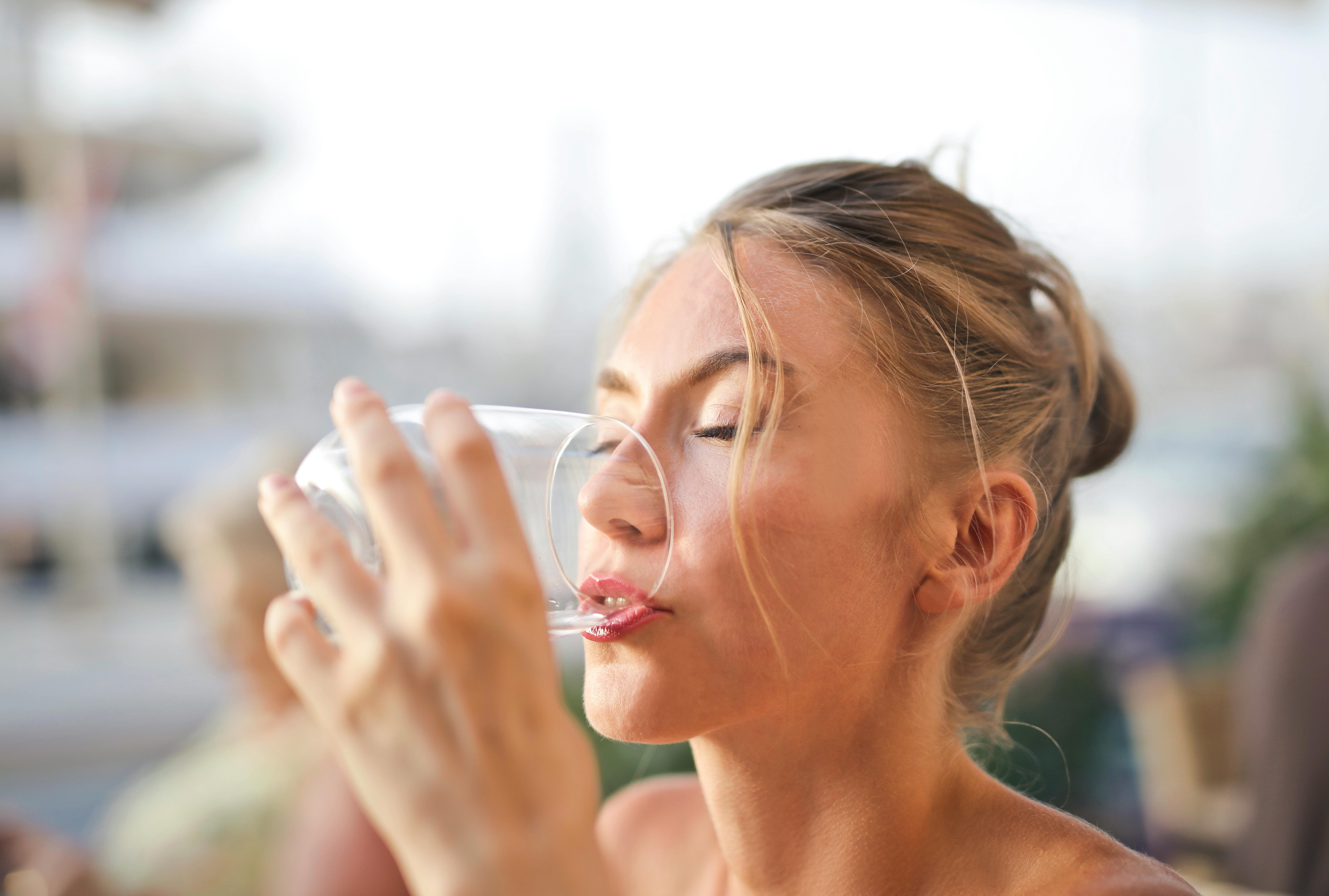
Your water is safe. That's not really the question. The question is why it sometimes smells like a swimming pool - and whether you have to just live with it.
It's not an accident. Chlorine is doing its job.
Chlorine is added to your water supply to disinfect it. Before treatment, water can carry bacteria, viruses, fungi and parasites - the kind of thing public health really doesn't want arriving at your tap. So water is chlorinated at several stages during treatment to eliminate that risk, then chlorinated again before it's released into the distribution network - that sprawling maze of pipes carrying water from treatment works to your home. If you live a long way from the source, there may be booster stations along the route adding a little more, to replace what's lost on the journey.
It's been working this way for over 100 years. Chlorination of public water is widely regarded as one of the most effective public health measures ever introduced - and it's why waterborne diseases like cholera are no longer something most of us have to think about.

“A well-designed filter - particularly one using activated carbon like the Our Taap Home Water System II - can significantly reduce both residual chlorine and the by-products that come with it. The result is water that tastes more like water. Cleaner on the palate, without the faint edge that makes some people reach for the bottled stuff instead.”
Why some people notice it more than others
How much chlorine you actually detect in your tap water depends on quite a few things. The amount added during treatment. Whether it was added as chlorine or chloramine (a slightly different form). How far you live from the treatment works, and whether the concentration was boosted on its way to you. The time of year - chlorine survives longer in cold water than warm, which is why it can be more noticeable in winter. And, genuinely, your own sensitivity. Some people detect chlorine at very low concentrations. Others barely notice it at all.
The bit most people don't realise
Here's something interesting. For many people, what they're actually tasting isn't the chlorine itself - it's what happens when chlorine reacts with naturally occurring organic materials in the water. This reaction produces compounds called trihalomethanes and chlorophenols, which create their own distinctive odours: faintly plastic, occasionally antiseptic, sometimes a trace of TCP or ink. They're often mistaken for the smell of chlorine, but they're technically something else entirely.
Treatment plants work hard to reduce these compounds before water leaves the works. But a trace can still make it through to your tap. Which explains a lot.
What filtration actually does here
A well-designed filter - particularly one using activated carbon like the Our Taap Home Water System II - can significantly reduce both residual chlorine and the by-products that come with it. The result is water that tastes more like water. Cleaner on the palate, without the faint edge that makes some people reach for the bottled stuff instead.
That's the gap Our Taap exists to close - providing constant cleaner, safer, better-tasting water on tap.
From the blog
Chlorination of our water supply just over a century ago was a game changer, saving countless lives. The remaining considerations are the kind of small-print, long-run factors that sit alongside dozens of other everyday risks we don't think twice about.
Read more
We asked our water taste expert Dr Bill Simpson your burning questions on the common tastes and smells of tap water. And his answers might just surprise you.
Read more
Most of us turn on the tap without much thought for where the water has come from. But the answer to why your water tastes the way it does almost always comes back to the journey.
Read more

