Reverse Osmosis

What it is and how it works.

Reverse osmosis is one of the most searched water filtration technologies in the UK - and one of the most misunderstood. Here's an honest look at what it actually does, what it's good at, and where it falls short.

How it works.

Reverse osmosis pushes water through an extremely fine membrane under pressure. The membrane has microscopic pores that block almost everything that isn't a water molecule — dissolved substances, particles, bacteria, viruses, heavy metals, and natural minerals. It is the most thorough form of residential filtration available. It is also, as a result, the most indiscriminate.
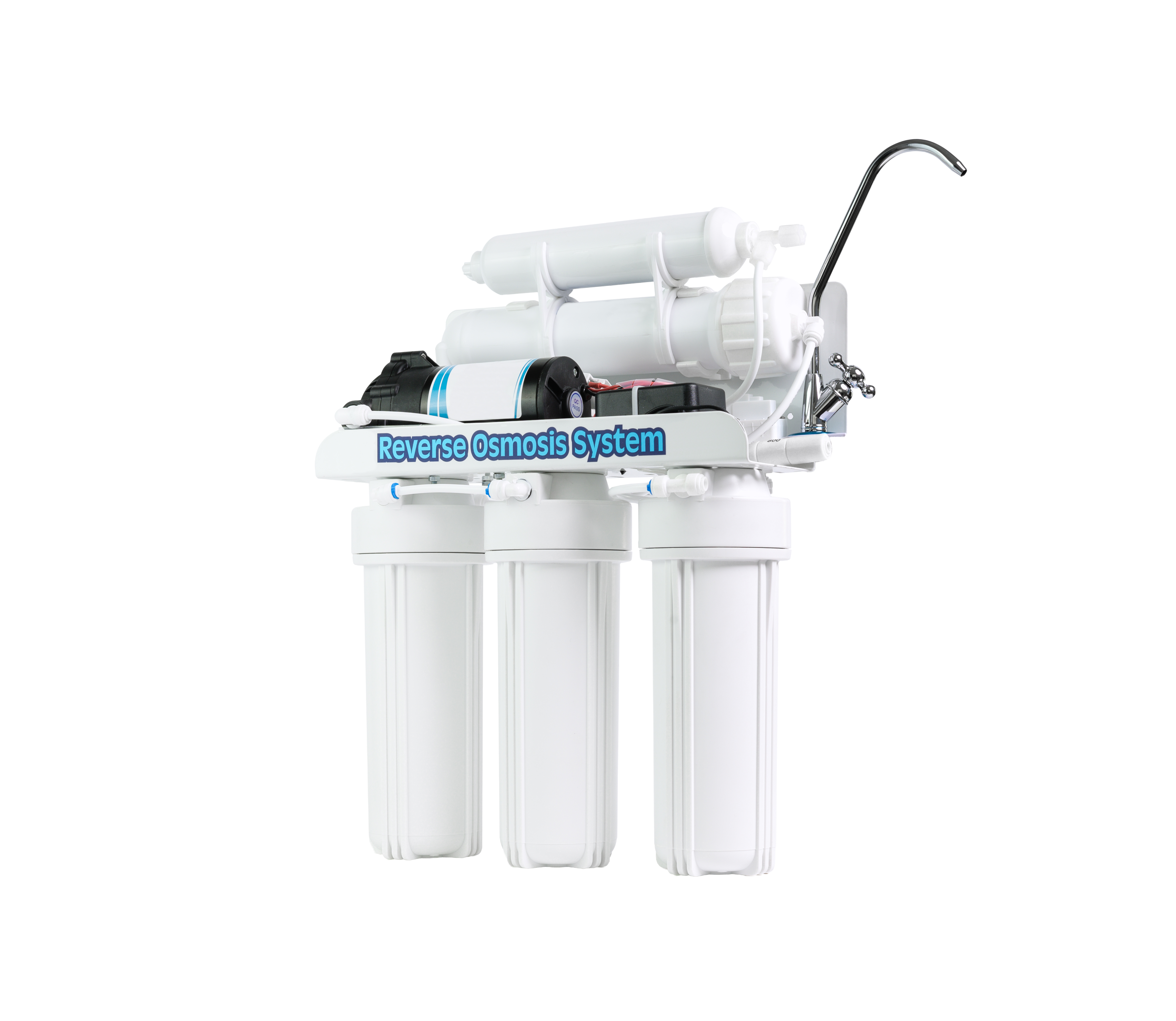
Reverse Osmosis System

What it removes.

Reverse osmosis removes a very wide range of dissolved substances, including:

  • Chlorine and chloramines
  • Heavy metals - lead, mercury, cadmium
  • Pesticides and herbicides
  • Nitrates and nitrites
  • Bacteria and viruses
  • Microplastics
  • Fluoride
  • Natural minerals - calcium and magnesium

That last one is worth pausing on. Reverse osmosis doesn't distinguish between what you don't want and what you do. The beneficial minerals that give water its taste and contribute to daily nutritional intake are removed along with everything else.

How it affects taste.

How reverse osmosis affects taste

This is where reverse osmosis divides opinion. The process produces very pure water - but pure doesn't always mean better tasting. Calcium and magnesium are what give water its characteristic clean, slightly mineral taste. Remove them and water can taste flat, empty, or faintly hollow. Some RO systems add a remineralisation stage specifically to put back what the filter took out. Which raises a reasonable question about why it was removed in the first place.

Filter life.

Reverse osmosis systems typically have multiple filter stages, each with different lifespans:

  • Pre-filters (sediment and carbon) - every 6 to 12 months
  • RO membrane - every 1 to 2 years
  • Post-filter (carbon polishing) - every 6 to 12 months

Running costs are higher than most other filtration types, and servicing requires attention to multiple components rather than a single filter swap.
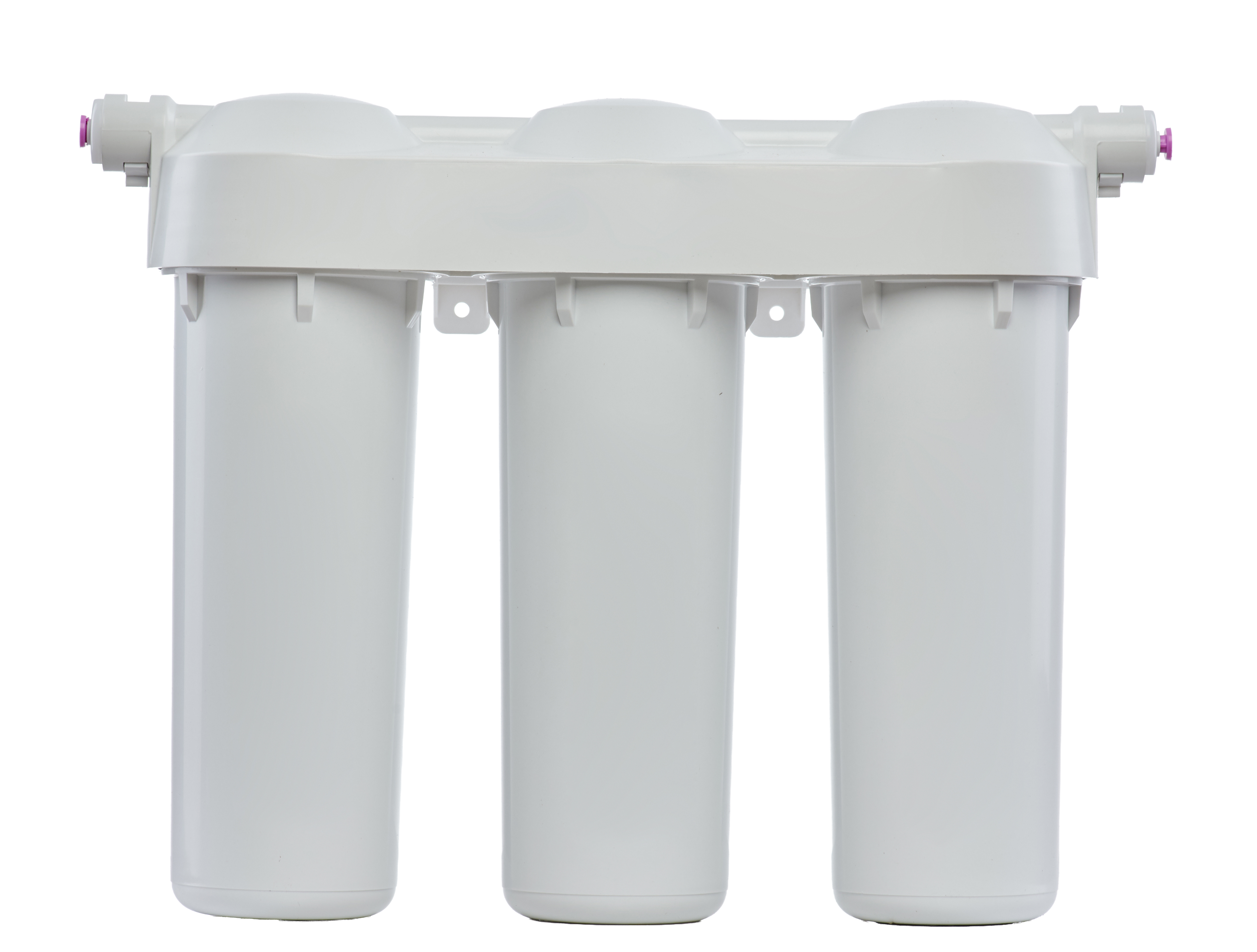
Reverse Osmosis system

The pros.

The highest level of contaminant removal available in a residential system.
Reverse osmosis removes a broader range of dissolved substances than any other home filtration technology - heavy metals, nitrates, fluoride, pesticides, bacteria, viruses and microplastics among them. For households with specific or severe water quality concerns, nothing else comes close.
Effective against contaminants that carbon alone cannot address.
Nitrates, fluoride and trace dissolved substances that pass through carbon filters are reliably removed by the RO membrane. For well water, borehole supplies, or areas with known contamination issues, this matters.
Industrial-grade technology, proven at scale.
Reverse osmosis is the technology behind desalination plants, municipal water treatment facilities, pharmaceutical manufacturing and large-scale food and beverage production. It was engineered to solve serious water quality problems at an industrial level, and it does so reliably. Bringing that into a home system means the underlying technology is exceptionally well understood, independently tested, and proven across decades of demanding real-world use.
Consistent and well-documented performance.
Reverse osmosis is a mature, well-understood technology with decades of independent testing behind it. When a system is properly maintained, performance is predictable and reliable.

The cons.

It removes the good with the bad.
Calcium and magnesium - the minerals your body needs and that make water taste the way it should - are stripped out along with contaminants. Some systems attempt to compensate with a remineralisation stage, adding complexity and cost.
It wastes a significant amount of water.
Reverse osmosis systems produce reject water — the water that carries the filtered-out contaminants away and down the drain. On a traditional home RO system, that waste is significant: for every litre of filtered water you get, roughly three to four litres are discarded. That's a waste ratio of around 75–80%. Modern, high-efficiency reverse osmosis systems have improved considerably on this. The better units on the market now waste as little as 20–30% - meaning for every litre produced, less than half a litre is lost. If water efficiency matters to you, it's worth checking the waste ratio before buying, as the difference between a budget unit and a more efficient model can be substantial.
It's slow.
Reverse osmosis systems filter water slowly and usually require a storage tank because they can't deliver water on demand at speed. No instant chilled or boiling water - you're waiting for the tank to fill.
It's complex to maintain.
Multiple filter stages, a membrane, a storage tank, sometimes a pump and a remineralisation cartridge. More components means more to manage, more to replace, and more that can go wrong.
It's often more expensive.
To buy, to install, and to run. The system itself tends to cost more, professional installation is usually required, and ongoing filter replacements across multiple stages add up.

The honest summary.

Reverse osmosis is genuinely impressive technology - and genuinely the right choice for specific situations. If your source water is poor, if you have a particular contamination concern, or if maximum removal is your priority above all else, it does what it says.

For most UK homes, though, where tap water is already safe and the goal is better taste and peace of mind, it's more than the situation calls for. You end up removing the minerals that make water taste good, wasting several litres for every one you drink, and managing a complex system - to improve water that was already safe to begin with.

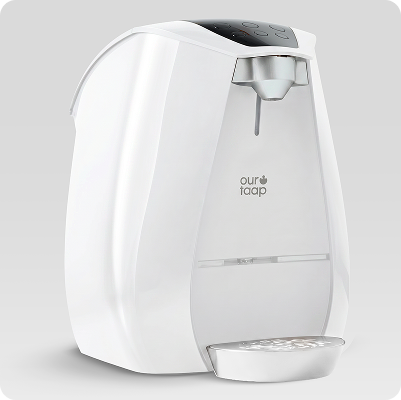
Discover the Home Water System II.

Enjoy cleaner, triple-filtered, better-tasting water on tap - chilled, ambient, or boiling - from one sleek countertop system.
Close