


Carbon filters
What are they and how they work.
Carbon filtration is the most widely used water filtration technology in the world - and the foundation of most home filter systems, including filter jugs, undersink units and countertop dispensers. Understanding what carbon does well, and where it stops, is the key to understanding whether it's enough for your home.
How it works.
Carbon filters work through a process called adsorption - not to be confused with absorption. Rather than soaking contaminants up like a sponge, activated carbon attracts them to its surface as water passes through. The carbon itself is highly porous, giving it an enormous surface area - a single gram of activated carbon can have a surface area equivalent to several tennis courts. That surface area is what makes it effective.
Most carbon filters use one of two forms:
Granular activated carbon (GAC) loose carbon granules through which water passes. Effective for taste and odour improvement but less consistent than block carbon.
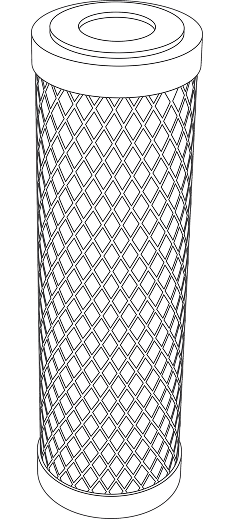
Carbon block compressed activated carbon in a solid block form. Denser, more consistent, and generally more effective at capturing smaller particles and a wider range of contaminants.
What it removes.
Carbon filtration is particularly effective at removing:
- Chlorine and chloramines - the primary cause of taste and odour issues in UK tap water.
- Volatile organic compounds (VOCs).
- Some pesticides and herbicides.
- Some pesticides and herbicides.
- Particles and sediment above a certain size.
- Certain taste and odour compounds.
What it retains.
What carbon filtration does not reliably remove:
- Bacteria and viruses - carbon has no meaningful effect on microorganisms.
- Pharmaceuticals and hormone residues.
- Nitrates and nitrites.
- Fluoride
- Heavy metals at trace levels - unless specifically certified to do so.
- Microplastics - standard carbon block may reduce some, but not comprehensively.
The effectiveness of carbon filtration varies significantly depending on the quality of the filter, the pore size, and whether it carries independent certification. A carbon filter certified to NSF/ANSI 53 for heavy metal reduction is a very different product from a basic taste-and-odour filter, even if both are described simply as carbon filters.
How it affects taste.

Carbon filtration's strongest suit. Removing chlorine and chloramines makes a significant and immediate difference to the taste and smell of tap water. The faint swimming pool edge disappears. Tea and coffee taste noticeably better. Water simply tastes cleaner.
Natural minerals - calcium and magnesium - pass through carbon filters intact, so the water retains its characteristic taste and remains nutritionally balanced. Unlike reverse osmosis, carbon filtration improves water without stripping it. It also removes volatile organic compounds (VOCs), some pesticides, and hydrogen sulphide (responsible for eggy smells).
It also removes volatile organic compounds (VOCs), some pesticides, and hydrogen sulphide (responsible for eggy smells).
Filter life.
Carbon filter life varies considerably depending on the type and application:
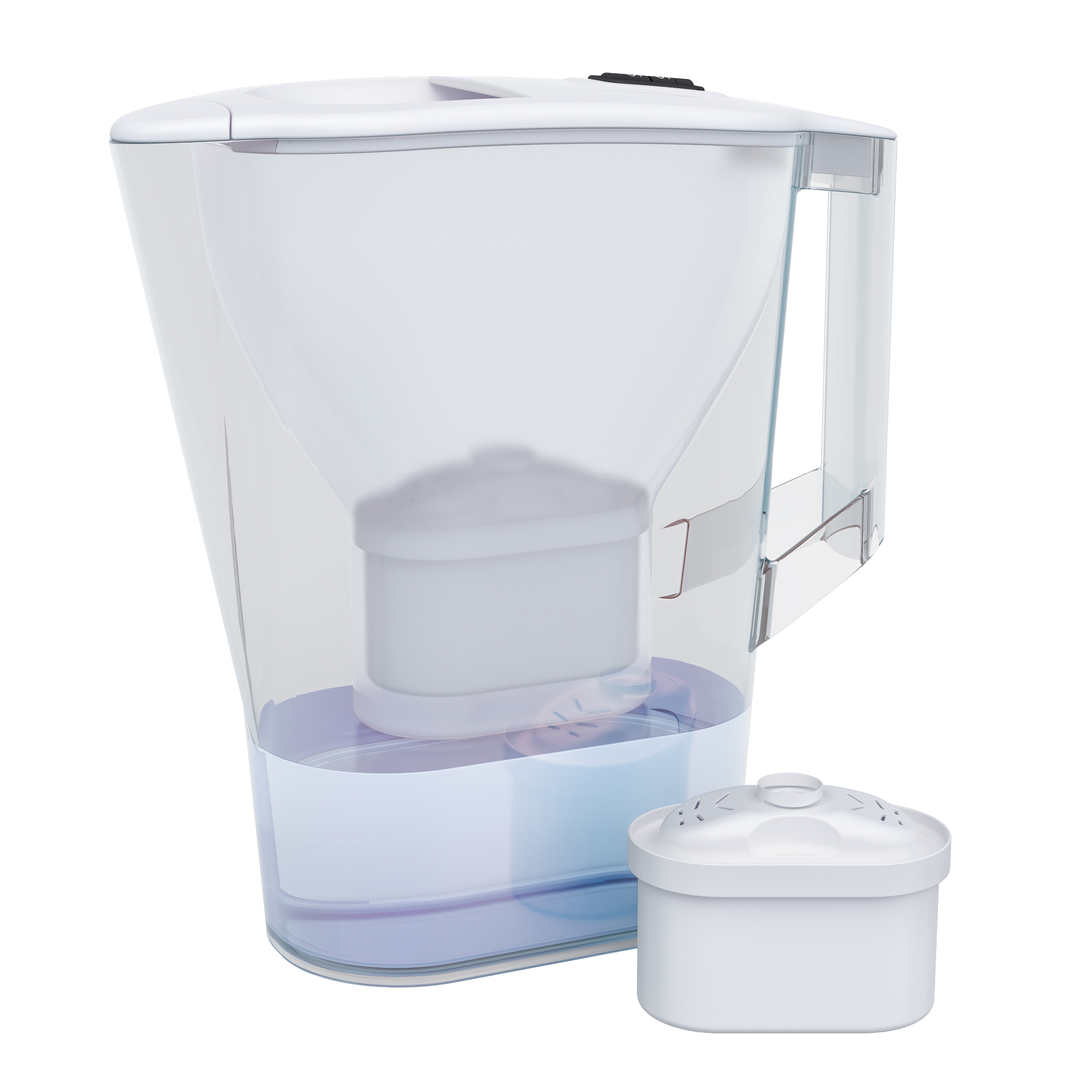
- Filter jug cartridges - typically four to eight weeks.
- Undersink carbon filters - typically six to twelve months.
- Countertop carbon filters - typically three to six months
As with all filters, performance degrades as the carbon becomes saturated. Using a filter past its recommended lifespan means progressively less effective filtration - sometimes without any obvious indication that the filter is no longer working well.
The pros.
The cons.
The honest summary.
Carbon filtration is genuinely effective at what it's designed to do - improving the taste and smell of tap water, reducing chlorine, and capturing particles and some contaminants. For households where taste is the primary concern and the source water is already safe, a good carbon filter makes a real and noticeable difference.
The limitations are worth understanding clearly. Carbon alone won't address bacteria, viruses, pharmaceuticals or trace heavy metals - and the wide variation in product quality means the label "carbon filter" tells you less than it should. Paired with UV purification, and with independent certification to back up the claims, carbon filtration forms the foundation of a genuinely comprehensive system.
On its own, it's a meaningful improvement. As part of a properly designed system, it's where good filtration starts.
Discover the Home Water System II.
Enjoy cleaner, triple-filtered, better-tasting water on tap - chilled, ambient, or boiling - from one sleek countertop system.
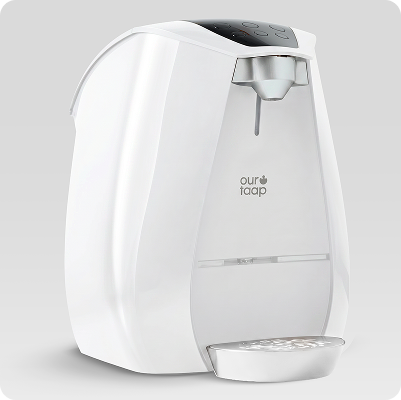 White
White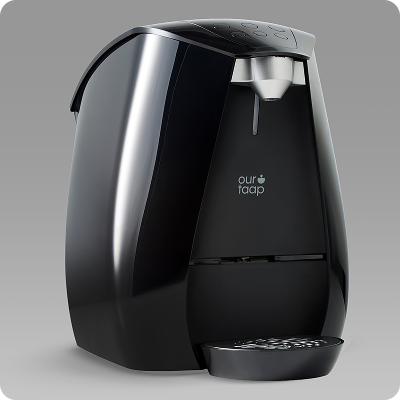 Black
Black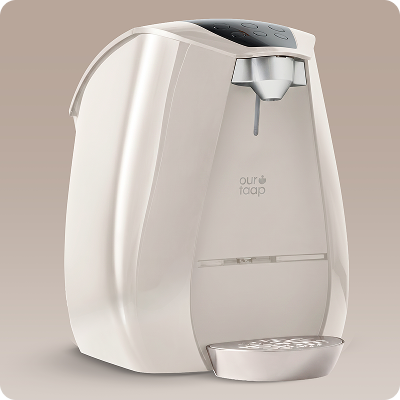 Pebble

