


Jug filters
What are they and how they work.
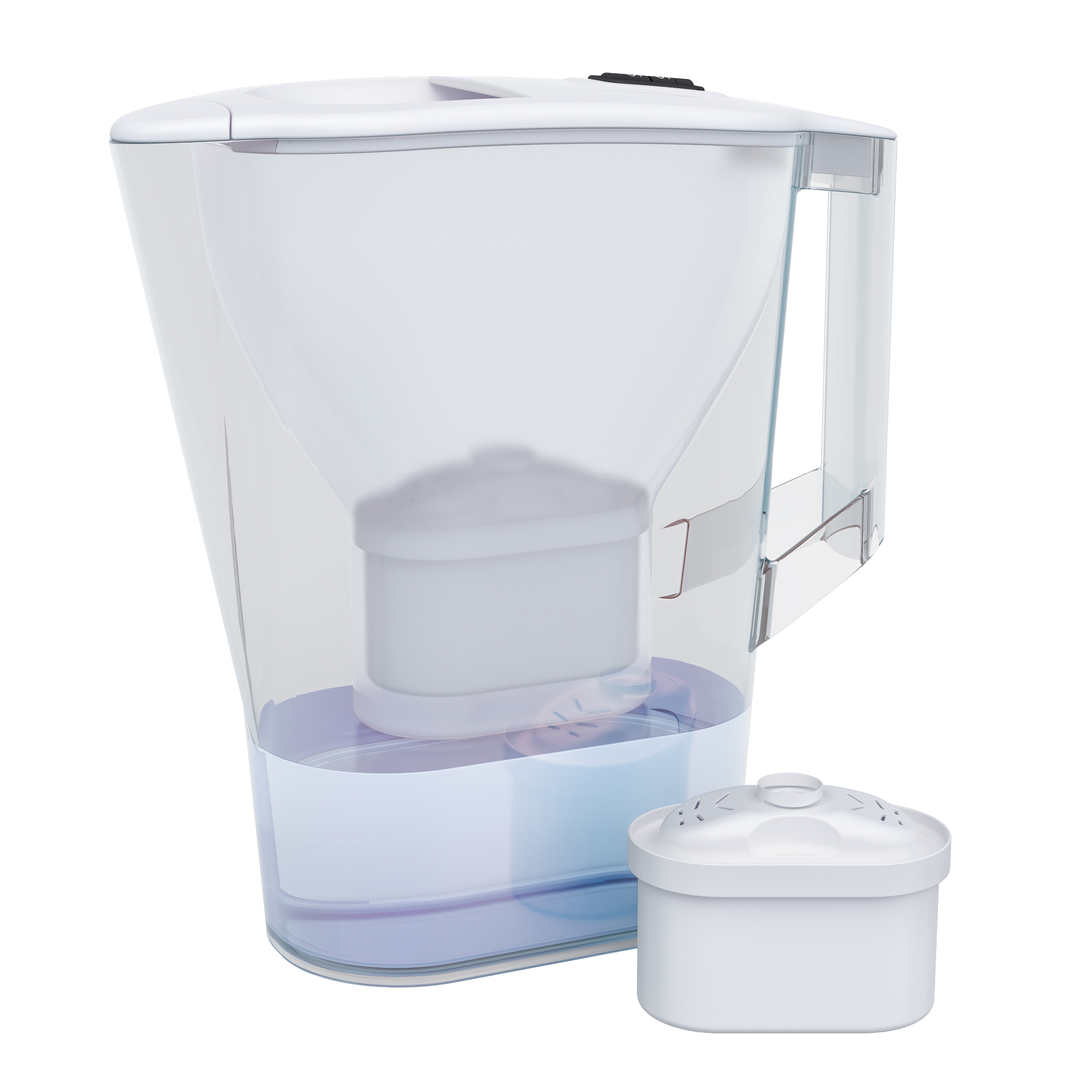
The filter jug is probably the most recognisable piece of water filtration equipment in the UK. Brita has been a household name for decades, and at any given moment there are millions of filter jugs sitting in British fridges - some full, some empty, some well past the point where the filter is still doing very much. Here's an honest look at what they actually do, and where they stop.
How it works.
Filter jugs work simply. Water is poured into a top reservoir and passes by gravity through a cartridge - typically containing activated carbon and ion exchange resin - into a lower chamber ready to pour. No plumbing, no power, no installation. Fill it, wait, use it.
The carbon adsorbs chlorine and some chemical contaminants. The ion exchange resin targets calcium and magnesium - reducing water hardness and limiting limescale. Together they produce water that tastes noticeably better than straight from the tap, with less of the chlorine edge and, in hard water areas, a slightly softer feel.
The technology is straightforward. The limitations follow directly from that simplicity.
What it removes.
Most filter jugs reduce:
- Chlorine and chloramines - the primary cause of taste and odour issues.
- Some heavy metals - lead and copper, in higher-grade filters.
- Calcium and magnesium - reducing limescale and softening water.
- Some pesticides and herbicides.
- Particles and sediment above a certain size.
What it retains.
What most filter jugs do not remove:
- Bacteria and viruses - gravity and carbon have no meaningful effect on microorganisms.
- Pharmaceuticals and hormone residues.
- Microplastics - not addressed by standard carbon.
- Nitrates and fluoride.
- Trace heavy metals at low concentrations - unless specifically certified.
- VOCs comprehensively
Filter performance varies considerably between brands and cartridge grades. Premium cartridges - Brita Maxtra Pro, for example - remove more than standard ones. The difference is meaningful and worth understanding before assuming all jug filters are equal.
How it affects taste.

This is where filter jugs genuinely earn their place. Chlorine reduction makes a noticeable and immediate difference - water tastes cleaner, tea and coffee taste better, and the faint swimming pool note disappears. For most people, this is the main reason they own one. And for that specific purpose, a good jug filter works well.n's strongest suit. Removing chlorine and chloramines makes a significant and immediate difference to the taste and smell of tap water. The faint swimming pool edge disappears. Tea and coffee taste noticeably better. Water simply tastes cleaner.
The ion exchange resin also softens water slightly - which some people prefer, particularly in very hard water areas. Natural minerals are reduced rather than retained, which is worth noting if mineral balance matters to you.
Filter life.
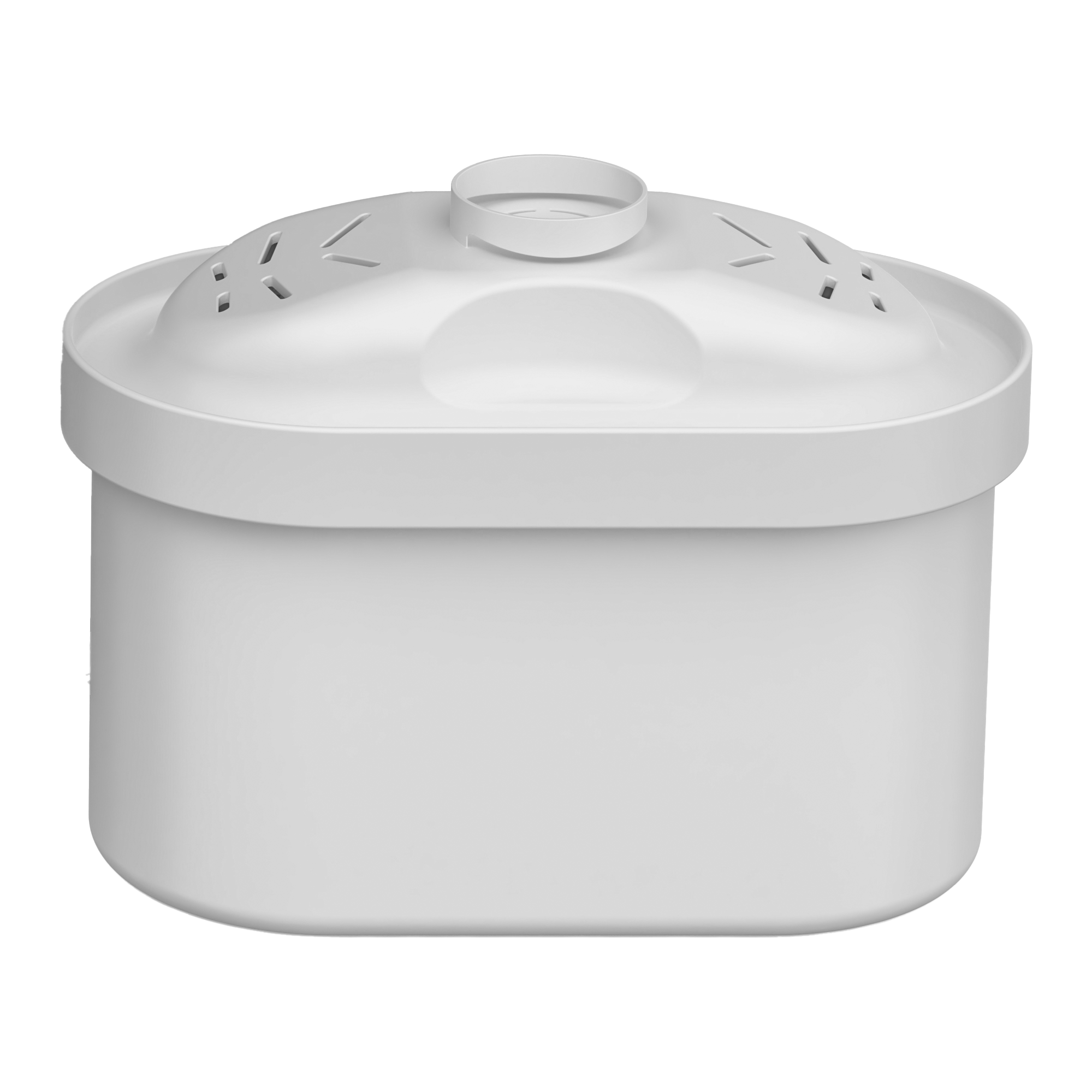
Most standard jug filter cartridges last around four weeks - though this varies by usage and water hardness. In hard water areas, the filter can degrade faster. Some premium cartridges last up to eight weeks.
The filter indicator on most jugs is time-based rather than volume-based - which means it counts days rather than litres. A jug used by one person and a jug used by a family of four will reach the same indicator at the same time, despite having filtered very different amounts of water. Whether the filter is still effective at the point the indicator triggers is, in practice, a rough estimate rather than a precise measurement. Many people continue using their jug well past the recommended replacement point. At that stage, the filter is doing progressively less - and in some cases, a saturated carbon filter can begin to release previously captured contaminants back into the water. Worth knowing.
The pros.
The cons.
The honest summary.
Filter jugs are a perfectly reasonable starting point - and for millions of UK households, a genuine improvement over drinking straight from the tap. The upfront cost is low, the installation is nonexistent, and the taste improvement is real. For a single person or a household with modest water consumption and basic filtration goals, a good jug filter does the job.
The limitations accumulate quickly as needs grow. Short filter life, constant refilling, no biological protection, reduced minerals, limited capacity, plastic waste, and no hot water. For a busy household that drinks a lot of water, wants chilled or boiling water on demand, and is looking for filtration that goes beyond taste improvement, the jug filter tends to feel like a compromise - sometimes fairly quickly. The most popular starting point. Rarely the final answer.
Discover the Home Water System II.
Enjoy cleaner, triple-filtered, better-tasting water on tap - chilled, ambient, or boiling - from one sleek countertop system.
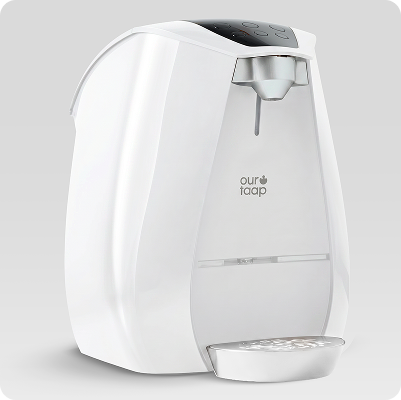 White
White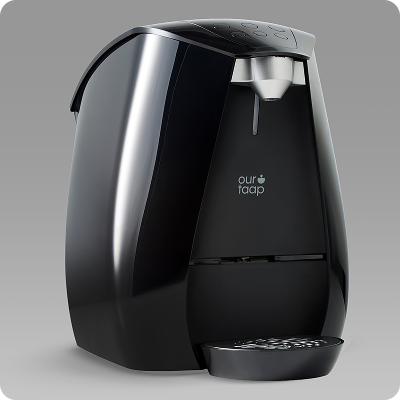 Black
Black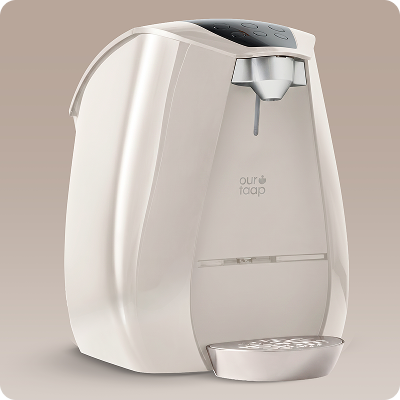 Pebble

