


Ceramic filters
What are they and how they work.
Ceramic filters are one of the oldest forms of water filtration - and in some parts of the world, still one of the most important. In the UK home market they occupy a quieter corner than carbon or reverse osmosis, but they have a loyal following and some genuine strengths worth understanding.
How it works.
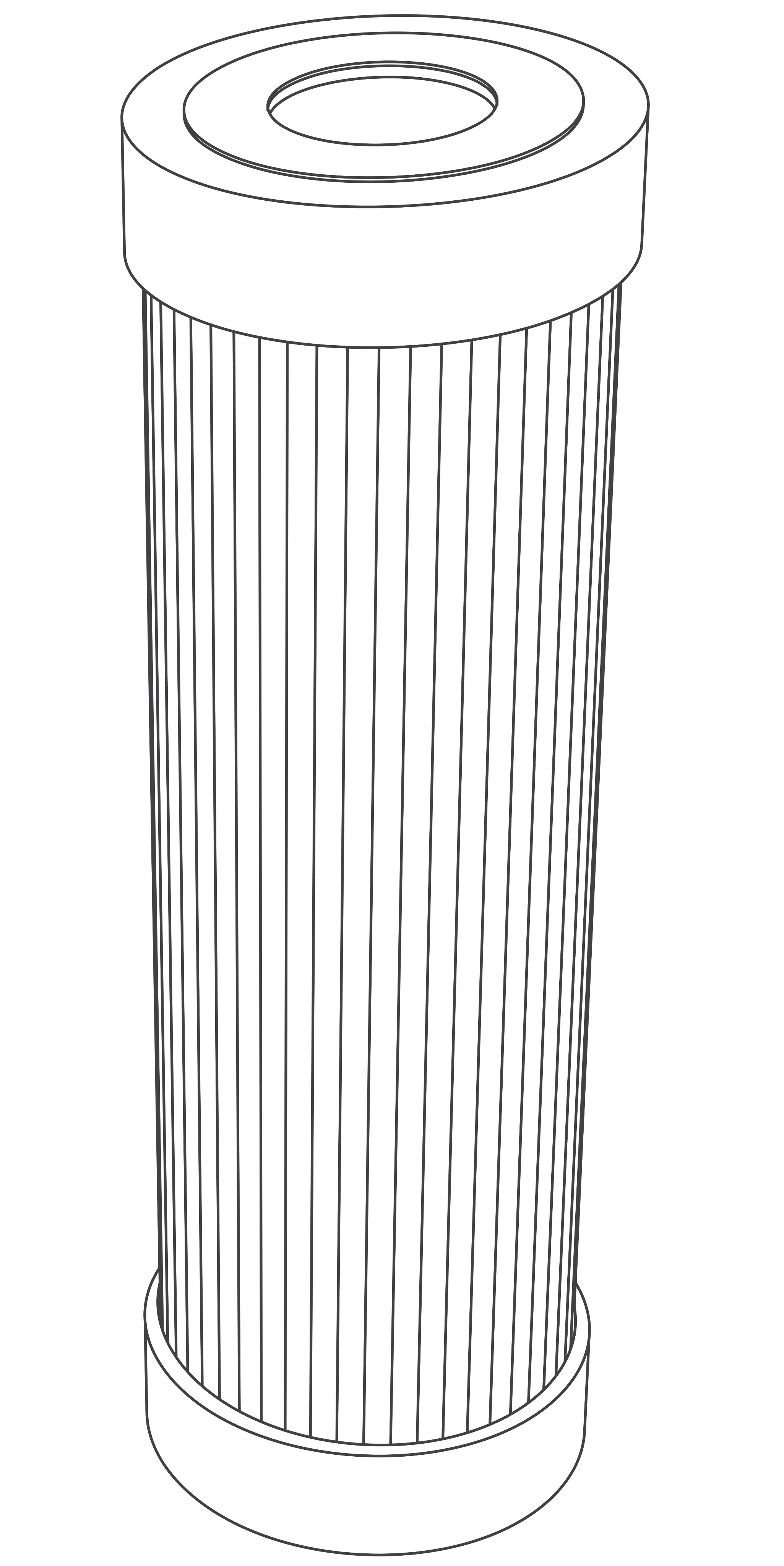
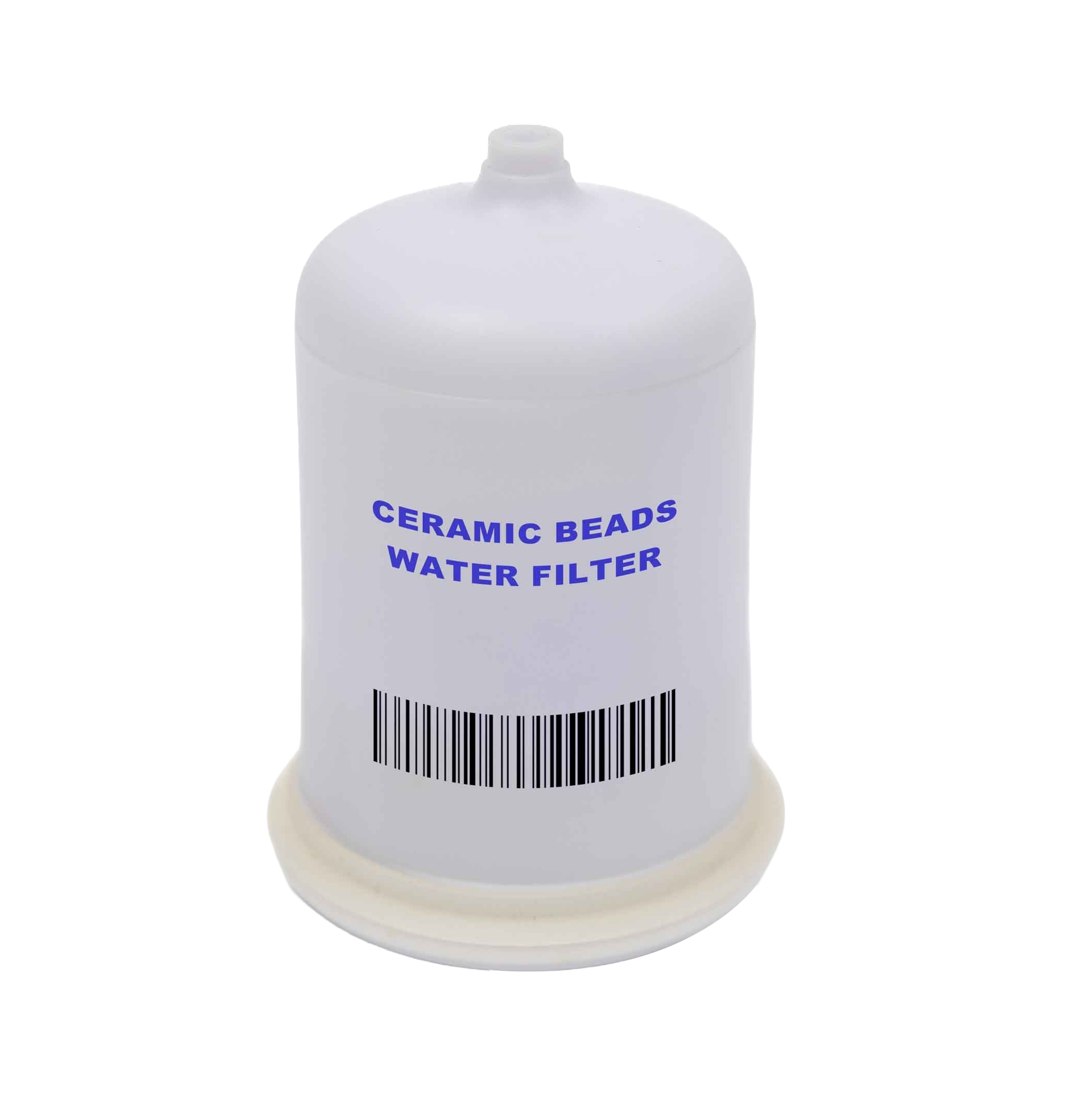
Ceramic filters work through mechanical filtration - water is forced through the tiny pores of a ceramic material, which physically blocks particles, bacteria and other contaminants too large to pass through. The pores are typically between 0.2 and 0.5 microns in size, making them effective at capturing a range of physical and biological contaminants.
Most ceramic filters used in home systems are made from diatomaceous earth, clay, or silicon carbide. They are often combined with other filtration media - activated carbon is a common pairing - to extend the range of contaminants addressed. On their own, ceramic filters handle the physical. Carbon filters handle the chemical.
What it removes.
Ceramic filters are effective at removing:
- Sediment, rust and particles
- Some turbidity and suspended matter
What it retains.
What ceramic filters do not reliably remove:
- Viruses - ceramic pores are generally too large to block viruses reliably.
- Chlorine and chloramines - ceramic alone has no effect on taste or chemical contaminants.
- Heavy metals - not addressed unless combined with carbon or another medium.
- Pharmaceuticals and pesticides.
- Nitrates and fluoride.
- Natural minerals - these pass through, which is largely a good thing.
How it affects taste.

On its own, a ceramic filter has limited effect on taste. It removes physical particles and some bacteria - which can improve clarity - but chlorine, the main cause of taste and odour issues in UK tap water, passes straight through. Most people using a ceramic filter for taste improvement will be disappointed unless it is paired with an activated carbon stage.
Combined with carbon, the picture improves considerably - the ceramic handles physical and biological contaminants while the carbon addresses taste, odour and chemical impurities.
Filter life.
One of ceramic filtration's more appealing qualities is longevity. Unlike carbon cartridges that need replacing every few weeks or months, ceramic filters can last significantly longer - in some cases, one to two years - because they can be cleaned rather than replaced. When flow rate slows, scrubbing the ceramic surface removes the accumulated layer of contaminants and restores performance.
That said, ceramic filters do eventually need replacing as the material wears down with repeated cleaning. And the cleaning process itself requires some attention - a filter that hasn't been cleaned properly can harbour the bacteria it was designed to remove.
The pros.
The cons.
The honest summary.
Ceramic filters have real strengths - particularly around bacterial removal, filter longevity and environmental impact. For households that want biological protection without chemicals or UV, and are prepared to maintain the filter properly, a good ceramic system combined with carbon filtration covers a meaningful range of contaminants.
The limitations are equally real. No virus removal, no chemical or taste improvement on its own, slow flow rates in gravity systems, and a maintenance routine that requires consistent attention. In the UK, where tap water is already treated and bacteriologically safe in the vast majority of cases, the ceramic filter's primary strength addresses a risk that is largely already managed.
Worth understanding. A good fit for specific needs. For everyday UK homes looking for better-tasting, comprehensively filtered water on demand, it is usually part of a wider system rather than a standalone solution.
Discover the Home Water System II.
Enjoy cleaner, triple-filtered, better-tasting water on tap - chilled, ambient, or boiling - from one sleek countertop system.
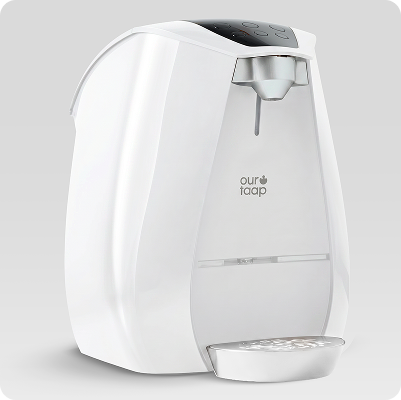 White
White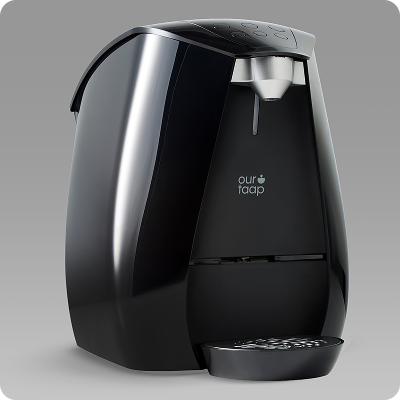 Black
Black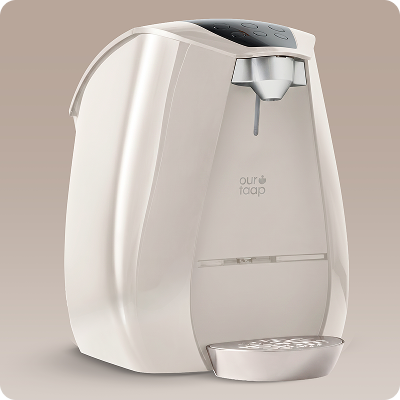 Pebble

