


Tap Filters
What are they and how they work.
The filtered tap category has grown considerably in the UK over the past decade, with brands like Quooker leading the way. The appeal is obvious - a single tap replacing the kettle, the filter jug and the cold water tap in one neat installation. It's a compelling idea. Here's an honest look at how the technology actually works, and where the trade-offs lie.
How it works.
The filtered tap category has grown considerably in the UK over the past decade, with brands like Quooker leading the way. The appeal is obvious - a single tap replacing the kettle, the filter jug and the cold water tap in one neat installation. It's a compelling idea. Here's an honest look at how the technology actually works, and where the trade-offs lie.
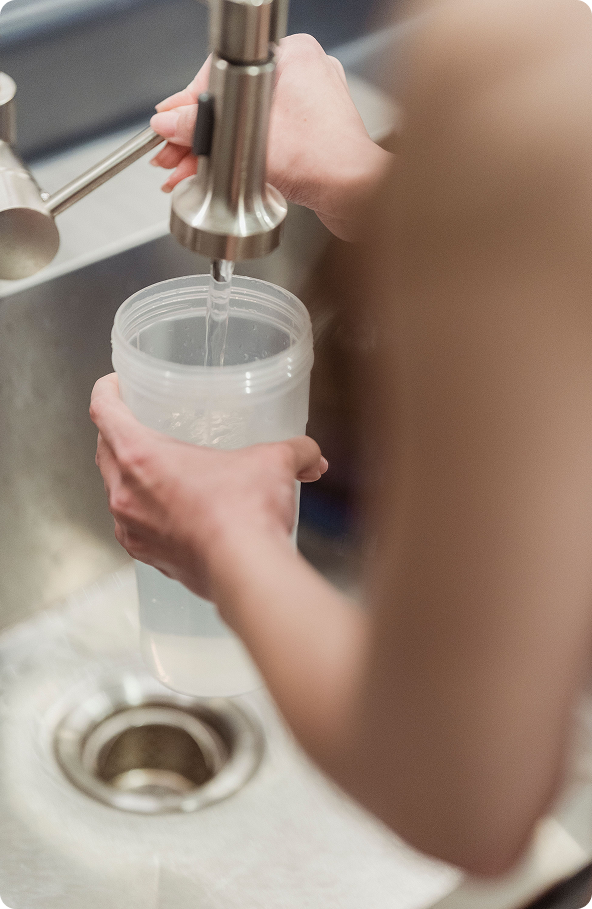
The filtration element is usually a carbon block filter housed in the undersink unit, working in the same way as a standard undersink carbon system. The tap itself is the delivery mechanism - the filtration happening below the worktop, out of sight.
Some higher-end models include additional filtration stages. Most rely primarily on carbon filtration, with the quality and certification of that filter varying considerably between brands and price points.
What it removes.
Filtration performance depends entirely on the filter specification included with the system. Most filtered tap systems use carbon block filtration, which typically reduces:
- Chlorine and chloramines - improving taste and smell.
- Some heavy metals - lead and copper, depending on filter grade.
- VOCs and some organic compounds.
- Particles and sediment above a certain size.
- Some pesticides and herbicides.
What it retains.
What most filtered tap systems do not remove:
- Bacteria and viruses - carbon filtration alone has no effect on microorganisms.
- Pharmaceuticals and hormone residues.
- Microplastics - not comprehensively addressed by standard carbon.
- Nitrates and fluoride.
- Heavy metals at trace levels - unless specifically certified.
It is worth noting that filtration specification varies significantly between brands. Quooker, for example, uses a carbon block filter with a FIFO (first in, first out) tank system. The filtration is effective for taste and chlorine reduction - but does not extend to the broader range of contaminants that more advanced systems address. Independent certification of specific contaminant removal claims is worth checking before assuming the filter does more than it is certified to do.
How it affects taste.

For taste improvement, filtered taps generally perform well. Carbon filtration reduces chlorine effectively, and the result is noticeably cleaner-tasting water - particularly for tea and coffee, where the difference is most apparent. Natural minerals are retained, so the water tastes balanced rather than flat.
The boiling water function is where filtered taps earn their place for most users - instant boiling water on demand is a genuine convenience, and the taste of boiling filtered water for hot drinks is a meaningful improvement over an unfiltered kettle.
Filter life.
Filter life for tap systems is typically longer than jug filters but varies between brands and models:
Replacement filters for branded tap systems can be more expensive than generic alternatives - and in some cases, proprietary cartridges are required, limiting choice on replacements.
The pros.
The cons.
The honest summary.
Filtered taps are a genuinely appealing product category - and for the right household, a very good one. The convenience of instant boiling water, the clean worktop, the improved taste - these are real benefits that plenty of households value highly.
The filtration itself, in most systems, is carbon-only - which means meaningful taste improvement but limited protection against the broader range of contaminants that more advanced systems address. For households where taste and convenience are the primary goals and source water is already safe, a quality filtered tap system delivers well.
For households wanting comprehensive filtration - heavy metals, pharmaceuticals, bacteria, viruses - it is worth looking carefully at what the filter is actually certified to remove, rather than assuming that a premium price point means premium filtration. The two don't always go together. A well-designed tap. Worth understanding what's - and isn't - behind it.
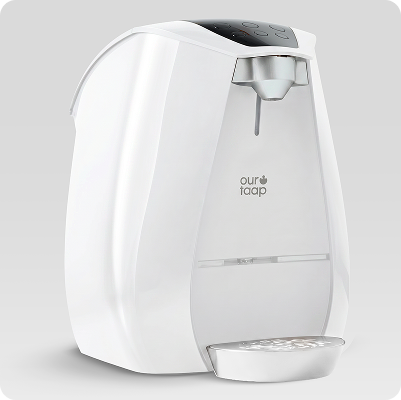
Discover the Home Water System II.
Enjoy cleaner, triple-filtered, better-tasting water on tap - chilled, ambient, or boiling - from one sleek countertop system.
 White
White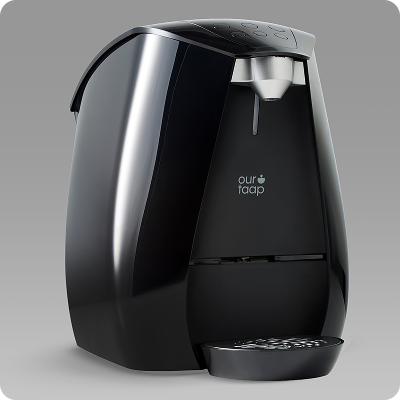 Black
Black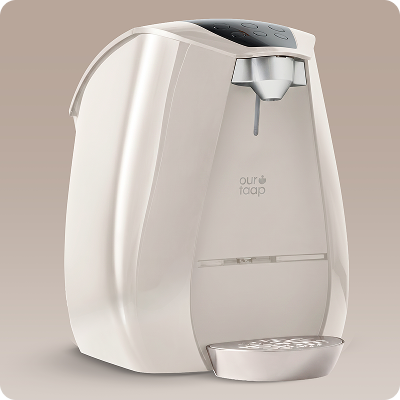 Pebble

