


UV Purification
What it is and how it works.
UV purification is the one form of water treatment that does something no filter can: it kills things rather than catching them. It occupies a specific and important role in home water filtration - not as a replacement for carbon or other filtration, but as the layer that addresses what carbon cannot.
How it works.
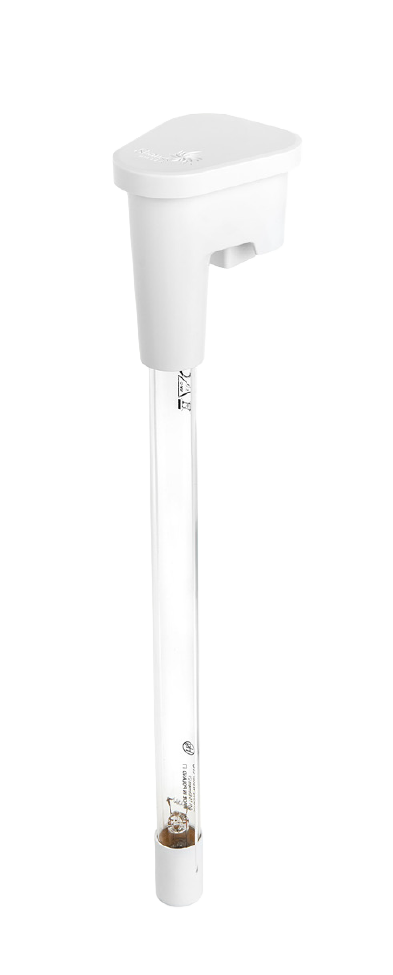
UV purification works by exposing water to ultraviolet light as it passes through a chamber containing a UV lamp. The light penetrates the cell walls of microorganisms - bacteria, viruses, protozoa - and disrupts their DNA, rendering them unable to reproduce. An organism that cannot reproduce cannot cause infection. It doesn't remove them from the water. It neutralises them.
The process is fast, chemical-free, and highly effective. Water passes through the UV chamber in seconds. There are no additives, no by-products, and no change to the water's taste, smell or mineral content. It simply does one thing - and does it very well.
What it removes.
UV purification is effective against:
- Bacteria - including E. coli, Salmonella, Legionella and other waterborne pathogens.
- Viruses - including norovirus, rotavirus, and hepatitis A.
- Protozoa - including Giardia and Cryptosporidium
- Other microorganisms that carbon filtration cannot address.
What it retains.
What UV purification does not address:
- Chlorine and chloramines - no effect on taste or odour.
- Heavy metals - lead, mercury and others pass through entirely unaffected.
- Pesticides, herbicides and VOCs.
- Pharmaceuticals and hormone residues.
- Microplastics
- Particles and sediment
UV is a single-purpose technology. It handles biological contaminants with exceptional effectiveness and leaves everything else untouched. Which is why it is almost always found paired with carbon filtration rather than used alone.
How it affects taste.
It doesn't. UV purification has no effect whatsoever on the taste or smell of water. Chlorine passes through unchanged. Minerals are unaffected. Nothing is added or removed - the water that enters the UV chamber is chemically identical to the water that leaves it. The only thing that changes is the viability of any microorganisms present.
This is either a limitation or a non-issue, depending on what you're using it for. As part of a system that already includes carbon filtration for taste and contaminant removal, UV's neutrality is exactly what you want. As a standalone treatment, it addresses biological risk while leaving taste concerns entirely to one side.
Filter life.
UV systems don't have filters in the traditional sense - but they do have consumables:
- UV lamp - typically replaced every twelve months, regardless of usage. UV output degrades gradually over time, and the lamp is usually replaced on a calendar schedule rather than because it has visibly failed.
- Quartz sleeve - the protective sleeve around the lamp requires periodic cleaning, and replacement if it becomes scratched or damaged. A fouled sleeve reduces UV transmission and compromises effectiveness.
- Pre-filtration - UV systems work best with clean, clear water. Particulate matter or turbidity can shield microorganisms from UV exposure. A sediment pre-filter is usually recommended, and its lifespan varies accordingly.
Running costs are modest. The lamp is the main recurring expense, and at annual replacement intervals, the ongoing outlay is reasonable compared to systems with multiple filter stages.
The pros.
The cons.
The honest summary.
UV purification does one thing, and it does it exceptionally well. For biological contamination - bacteria, viruses, protozoa - it is the most effective, chemical-free method available for residential water treatment. It adds nothing, removes nothing, and leaves the water tasting exactly as it did before. The only thing it changes is whether the microorganisms in it are capable of causing harm.
On its own, it isn't enough. Chemical contaminants, heavy metals, taste and odour issues require carbon filtration to address. But paired with a quality carbon system, UV closes the one gap that carbon cannot: the biological one. Together, the two technologies cover what either would miss alone.
For households on mains water in the UK, where tap water is already bacteriologically treated, UV purification is a belt-and-braces measure rather than a necessity. For households on private supplies - borehole water, spring water, or any supply outside the mains network - it shifts from optional to essential. Untreated private water sources carry genuine microbiological risk that carbon filtration alone cannot manage. The technology is simple, reliable and well understood. If biological protection matters to you, UV is the cleanest way to achieve it.
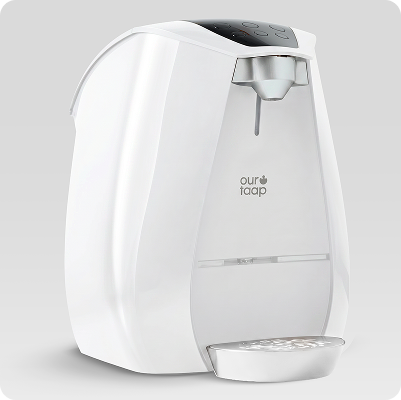
Discover the Home Water System II.
Enjoy cleaner, triple-filtered, better-tasting water on tap - chilled, ambient, or boiling - from one sleek countertop system.
 White
White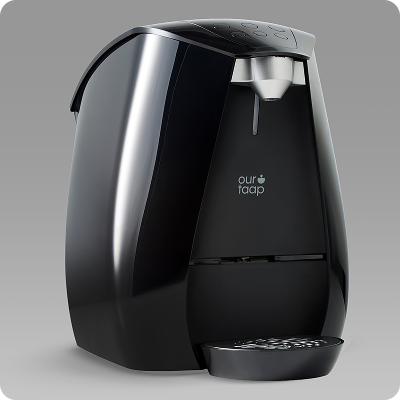 Black
Black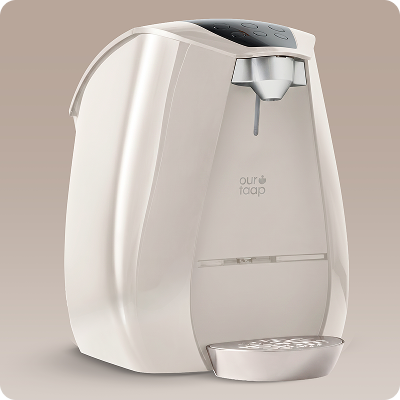 Pebble

