


Gravity Fed Filter
What they are and how they work.
Gravity fed carbon filters are one of the most familiar forms of home water filtration in the UK. The filter jug sitting in the fridge is the most common example. Simple, affordable, and widely available - but with some limitations worth understanding before assuming they're enough.
How it works.
Gravity fed carbon filters work exactly as the name suggests. Water is poured into the top of a container and filtered downward through a cartridge using nothing but gravity. No plumbing, no pressure, no power required. The filtered water collects in a reservoir below, ready to pour. Simple in principle - and in practice.
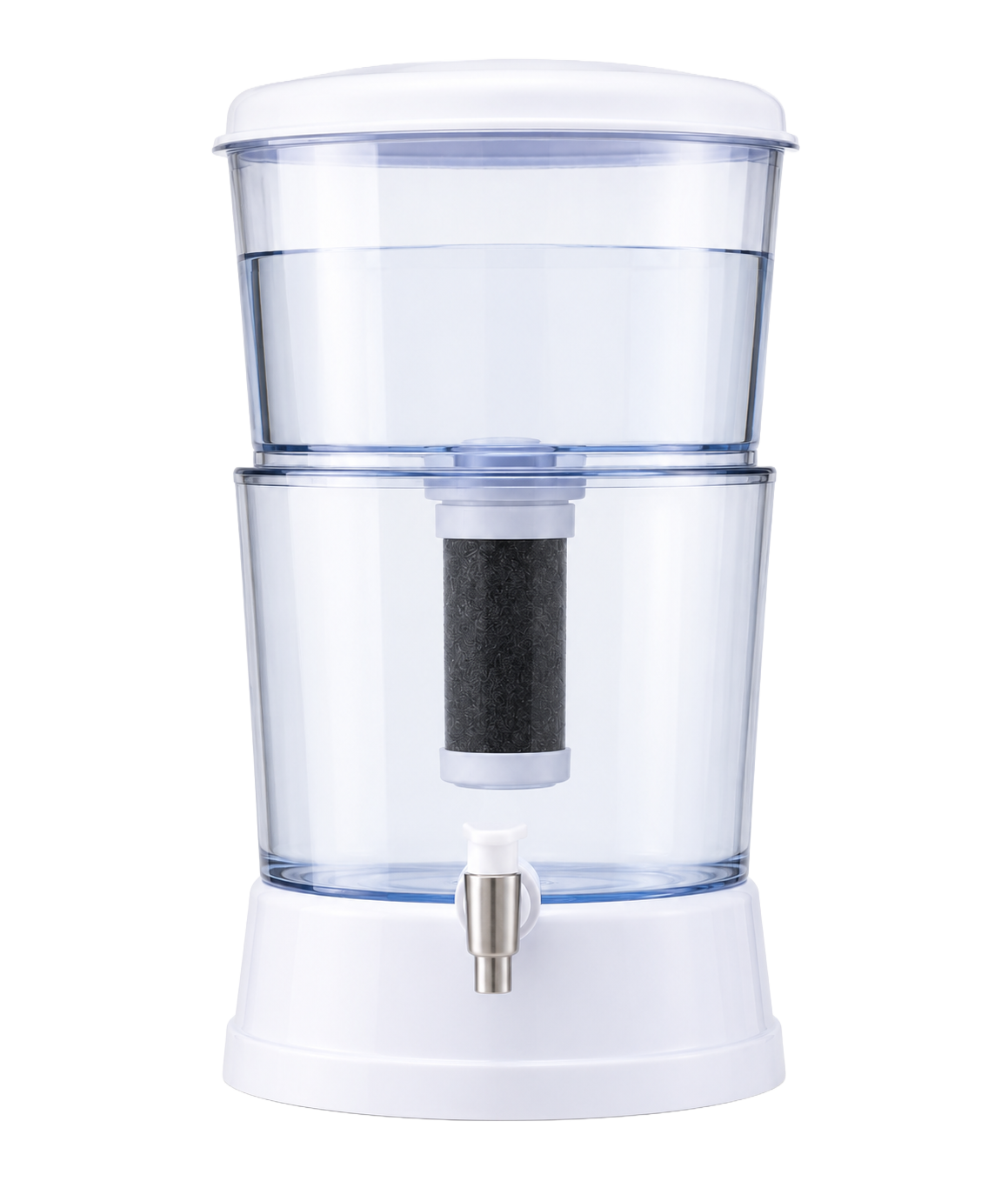
What it removes.
Gravity fed carbon filters typically use activated carbon as the primary filtration medium. Most will reduce:
- Chlorine and chloramines - improving taste and smell.
- Some heavy metals - lead and copper, depending on filter grade,
- Certain pesticides and herbicides.
What it retains.
What gravity fed filters generally do not remove:
- Bacteria and viruses - gravity and carbon alone cannot eliminate microorganisms.
- Pharmaceuticals and hormone residues.
- Fluoride
- Nitrates
The level of filtration varies considerably between brands and filter grades. Not all jug filters are equal - and the cheaper ones tend to do considerably less than the packaging implies.
How it affects taste.

This is where gravity fed carbon filters genuinely deliver. Reducing chlorine makes a noticeable difference to taste and smell - water tastes cleaner, tea and coffee taste better, and the faint swimming pool edge disappears. For many people, this is the main reason they use one, and it works well for that specific purpose.
The minerals that give water its taste - calcium and magnesium - are largely retained, so the water doesn't taste flat or empty. On taste alone, a good gravity filter is a meaningful improvement over unfiltered tap water.
Filter life.
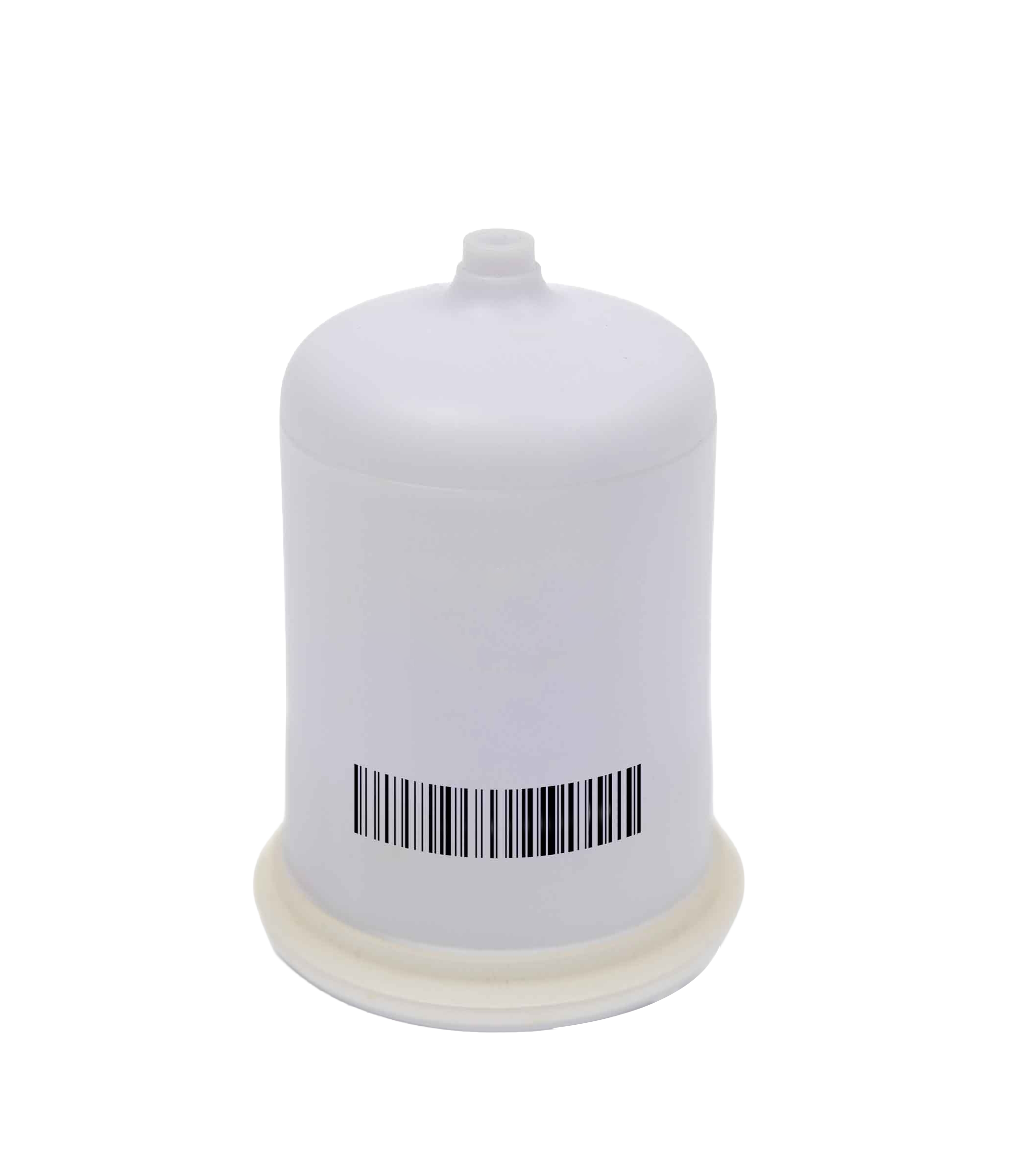
Most gravity fed carbon filter cartridges last around four to eight weeks, depending on usage and water hardness. In hard water areas, the filter can degrade faster. Replacement cartridges are a recurring cost - typically every month or two - and filter performance drops off as the cartridge reaches capacity. Many people continue using their jug well past the point where the filter is still effective. Which is, in practice, fairly common.
A saturated carbon cartridge can begin to release the contaminants it has previously trapped back into the water, and the damp, used cartridge becomes a breeding ground for bacteria. At that point, you may be drinking water that is worse than if you had used no filter at all. It's an easy thing to overlook, but the filter change schedule isn't just a manufacturer recommendation - it's the point at which the filter stops being an asset and starts being a liability.
The pros.
The cons.
The honest summary.
Gravity fed filters are a reasonable starting point - and for many people, they represent a genuine improvement over drinking straight from the tap. If the goal is better-tasting water on a tight budget with no installation required, they do the job.
The limitations are real though. Short filter life, constant refilling, no protection against bacteria, and performance that varies considerably between products. For households that drink a lot of water, want chilled or boiling water on demand, or are looking for broader contaminant removal, a gravity fed filter is likely to feel like a compromise fairly quickly.
Discover the Home Water System II.
Enjoy cleaner, triple-filtered, better-tasting water on tap - chilled, ambient, or boiling - from one sleek countertop system.
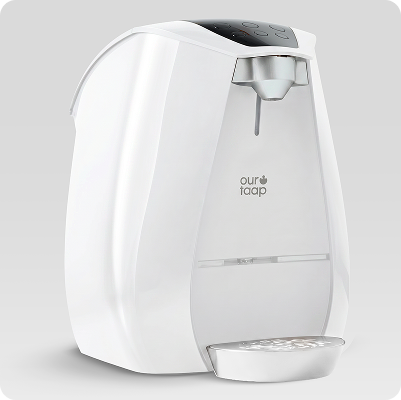 White
White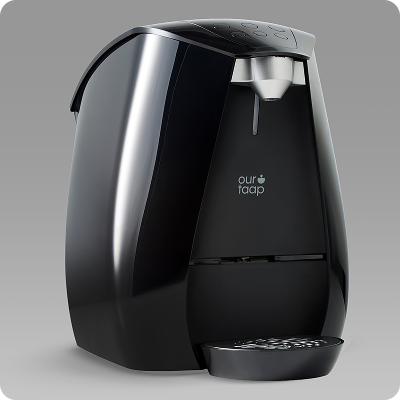 Black
Black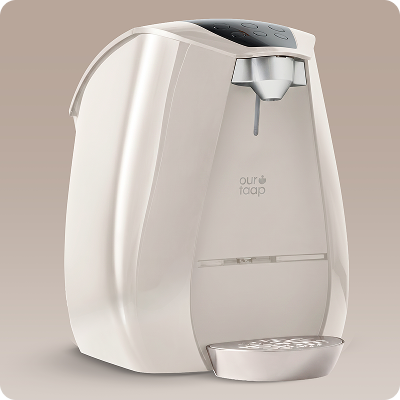 Pebble

